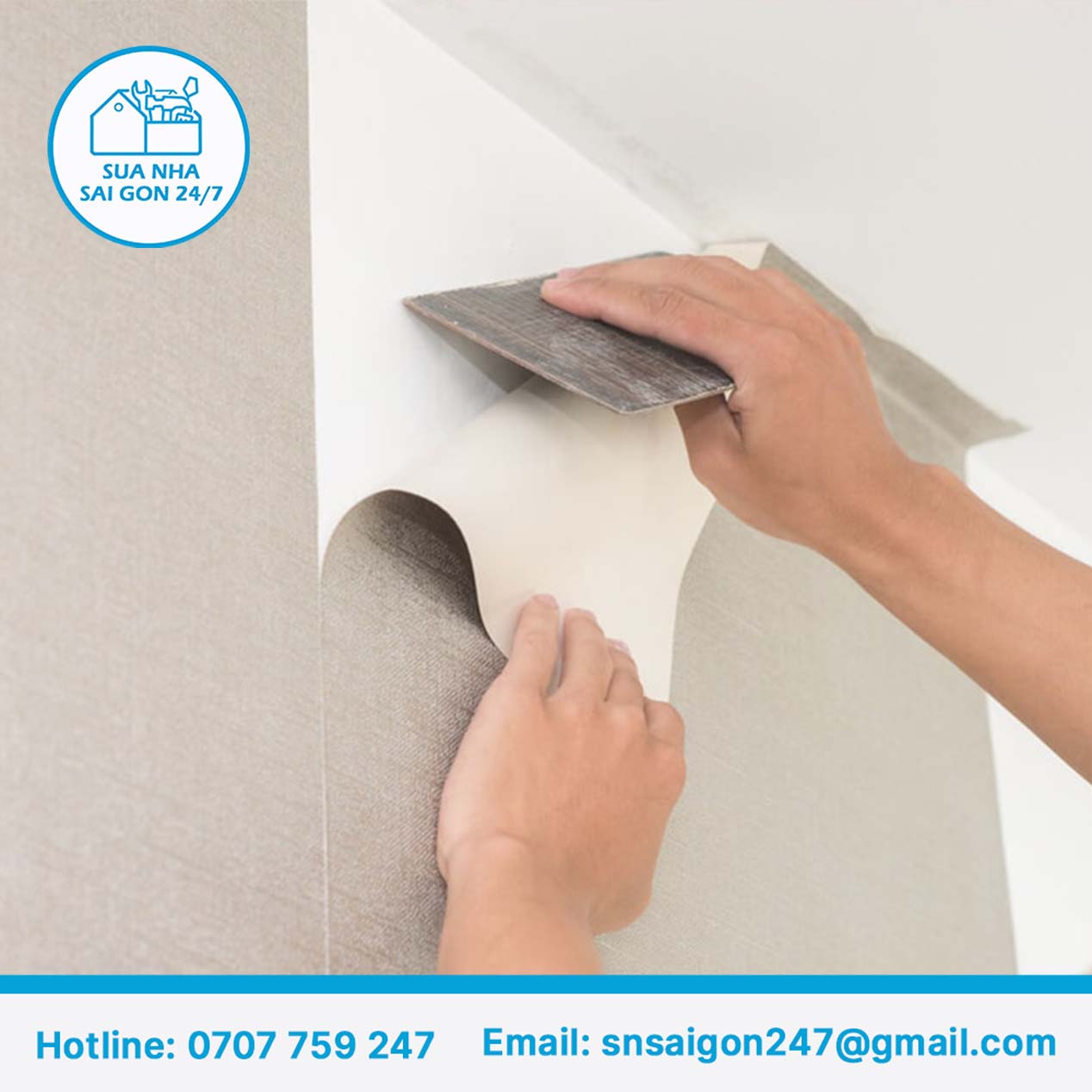
Tiếng Việt
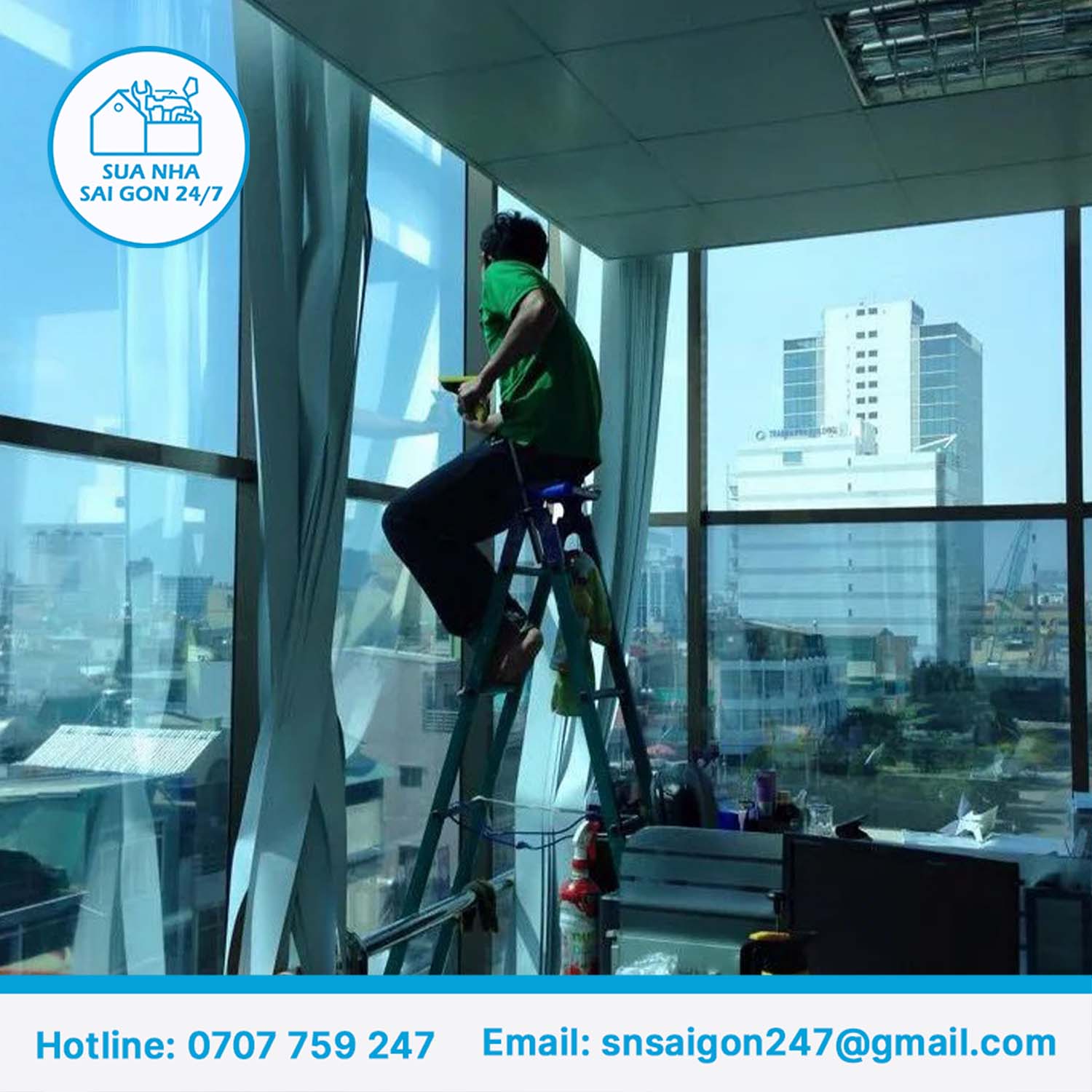


Glass-fronted homes, townhouses with large glass facades, or west-facing apartments in Ho Chi Minh City often get uncomfortably hot around midday, even with the air conditioner running non-stop. Heat-insulation window film is a solution that reduces the heat absorbed through the glass without replacing the glass or altering the building itself.
Heat-insulation window film for glass-fronted buildings involves applying a specialized film layer onto the glass surface to reduce the heat and UV rays passing into the interior, helping the space stay cooler and reducing the load on your air conditioner. Sai Gon Home Repair 247 provides heat-insulation window film installation in Ho Chi Minh City, with a free on-site survey and a transparent quote per square meter.
What Problem Does Heat-Insulation Window Film Solve?
Glass typically transmits most of the sun’s radiant heat into a building, especially clear glass or standard tempered glass without a heat-blocking coating. Window film acts as a filter, reflecting or absorbing much of the infrared and UV radiation before it passes through the glass, instead of letting the full heat and light shine directly into the living space.
For glass-fronted homes, townhouses with large glass facades, or west-facing apartments in Ho Chi Minh City, this is often the solution considered before replacing the glass or adding an external shading system, since the cost is significantly lower and installation doesn’t affect the building’s structure. The film is applied directly onto the existing glass surface — no need to remove the frame, and no construction permit required like a facade renovation would need.
Signs Your Home Needs Heat-Insulation Window Film
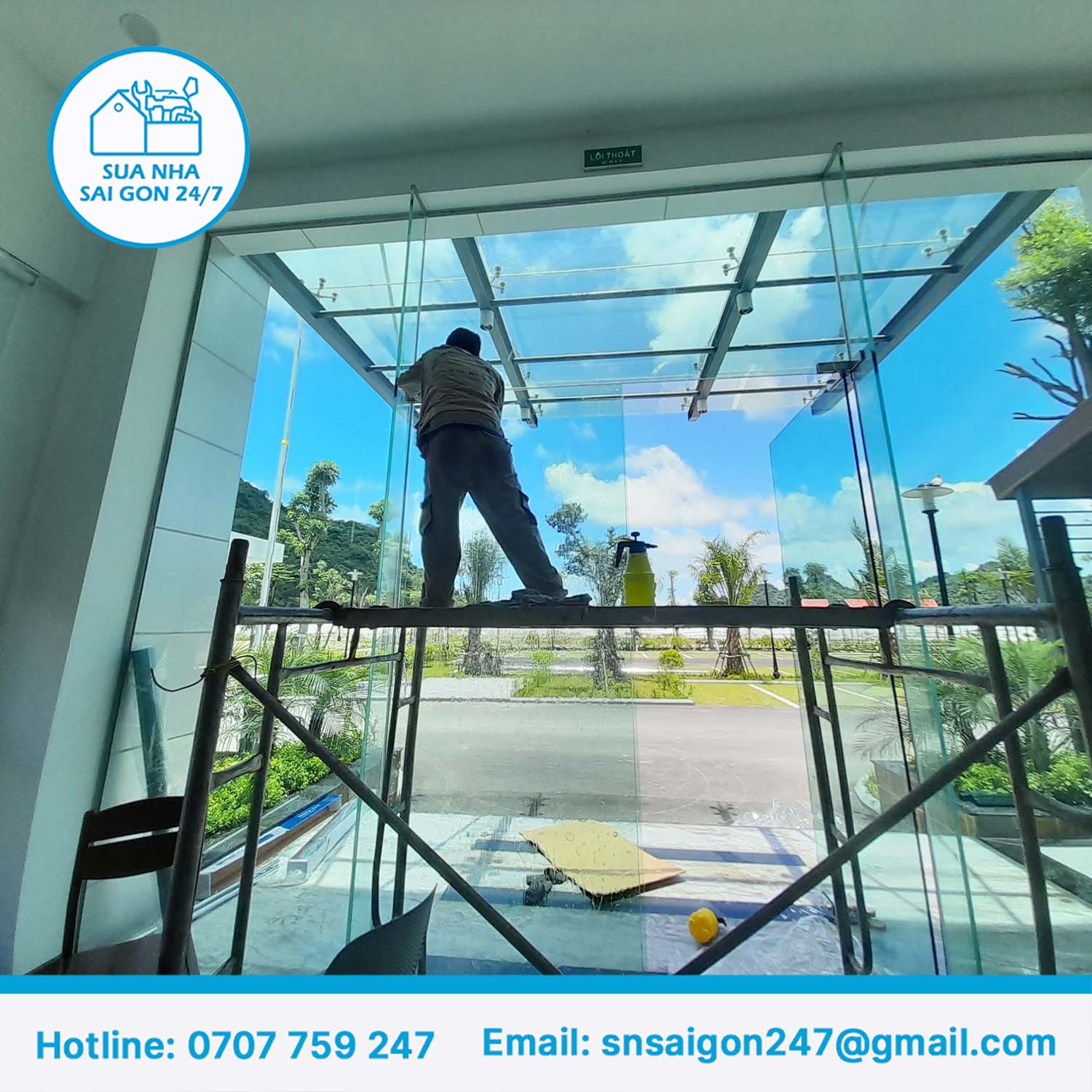
Not every building with glass needs window film right away — a few specific signs suggest it’s worth considering:
- A room gets noticeably hot at a specific time of day: typically midday to afternoon for west-facing homes, or early morning for east-facing homes with a large glass area.
- The air conditioner needs a lower-than-usual temperature setting to feel comfortable: a sign that the heat coming through the glass exceeds the unit’s normal cooling capacity.
- Standing near a glass door or window feels hot even without direct sunlight on you: this is radiant heat passing through the glass, not just glare.
- Furniture, wood flooring, or curtains near the glass fade faster than elsewhere in the home: a sign that a significant amount of UV is passing through the glass.
- Your current glass is standard clear glass, without heat-insulating treatment or double glazing: this is the type of glass that absorbs the most heat among common glass types.
If your building shows 2–3 or more of these signs, heat-insulation window film usually delivers a more noticeable improvement than curtains alone or simply lowering the AC temperature.
Why Do Large Glass-Fronted Buildings in Ho Chi Minh City Need Heat-Insulation Film?
Ho Chi Minh City has strong sun exposure year-round, and especially during the hottest months, large glass-fronted buildings absorb heat continuously from morning to afternoon. Here are a few common reasons homeowners and building owners consider window film:
- The AC runs constantly but still isn’t cool enough: the heat coming through the glass exceeds the unit’s cooling capacity, forcing it to overwork and wear out faster.
- Furniture and wood flooring fade: prolonged UV exposure through the glass fades curtains, sofas, wood flooring, and other furnishings near the glass, especially fabric and natural wood surfaces.
- Glare makes it hard to work near the glass: especially in offices and showrooms with large glass areas facing direct sun, affecting productivity and the customer experience.
- Electricity bills rise from an overworked AC: heat absorbed through the glass forces the AC to run at higher capacity to maintain the desired temperature, driving up electricity costs over time.
Heat-insulation window film doesn’t eliminate these issues entirely, but it significantly reduces their impact, especially when combined with curtains or another shading system already in place.
Common Types of Heat-Insulation Window Film
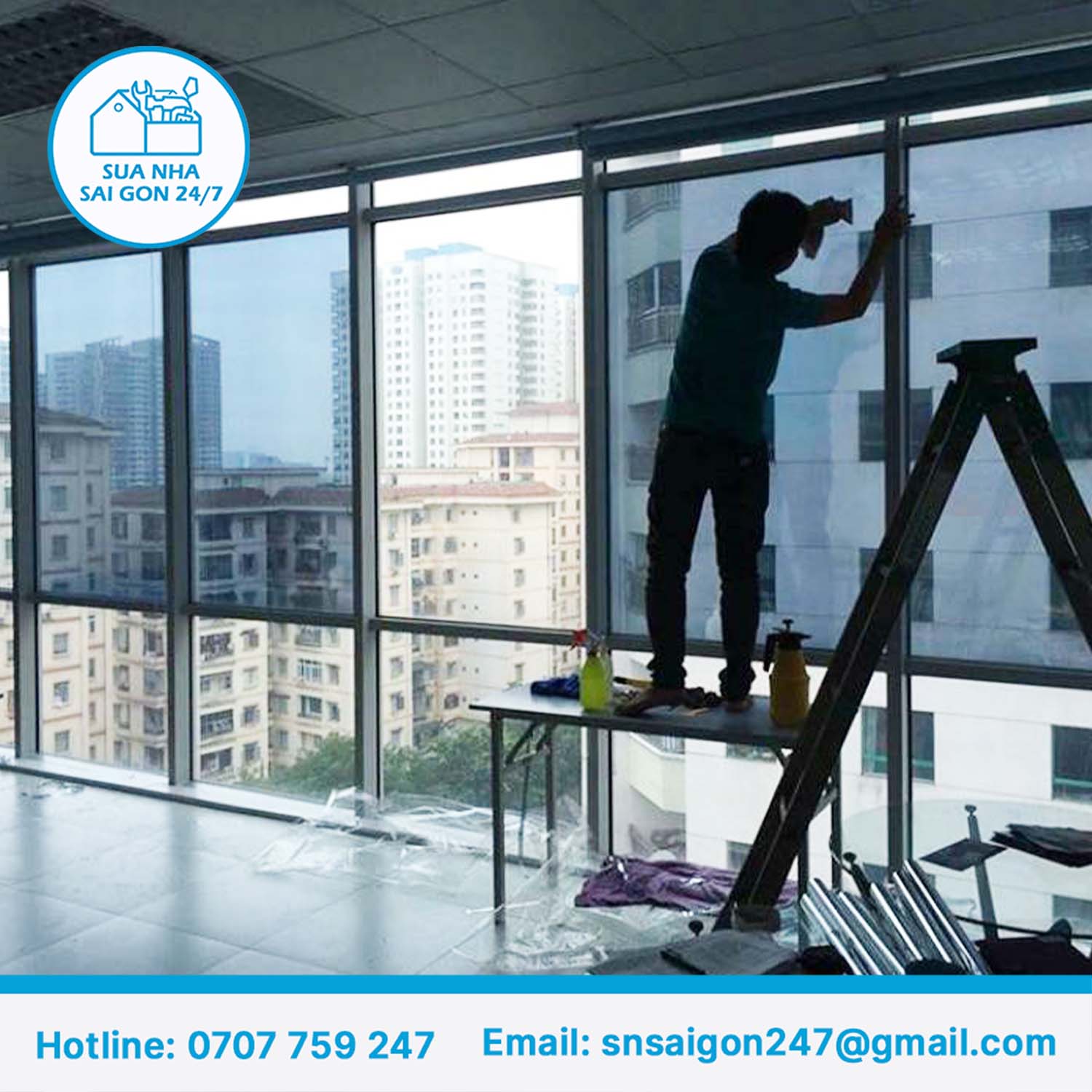
Two main categories of window film are common on the market today, differing in technology, clarity, and cost:
| Film Type | Characteristics | Best For |
|---|---|---|
| Reflective (metallic) film | A thin metallic layer reflects heat; lower cost, but darkens the glass and gives a slight mirror-like sheen | Moderate budgets, where glass clarity isn’t a top priority |
| Nano ceramic film | No metal used; blocks heat more deeply while keeping high clarity, and doesn’t interfere with phone/wifi signals | Homes and offices that want to keep aesthetics and a natural view |
For large west-facing glass buildings, nano ceramic film is usually preferred for its strong heat-blocking performance without making the space overly dark. For a tighter budget, reflective film is still a reasonable choice for basic heat reduction, particularly for areas with fewer aesthetic requirements, such as warehouses, workshops, or secondary glass roofing.
Beyond these two main categories, the market also offers multi-layer film combining metallic and ceramic technology, offering mid-range heat-blocking performance at a cost between the two categories. Which film to choose should be based on an actual survey of sun direction, glass area, and budget, rather than general advertising claims.
Heat-Insulation Window Film vs. Other Heat-Reduction Solutions
Besides window film, there are a few other solutions commonly considered for cooling down large glass-fronted buildings. Each has its own trade-offs:
- Curtains or blinds: low cost, easy to install, but only block light rather than significantly reducing the radiant heat that has already passed through the glass — and they must be fully closed to be effective, which affects the view and natural light.
- External sun louvers or awnings: effective at blocking heat since they stop the sun before it reaches the glass, but installation cost is much higher and it affects the facade’s architecture — not every building can accommodate this.
- Replacing with double-glazed glass (two panes with an air gap): the most effective insulation solution of all, but very costly and requires removing the entire glass frame system — better suited to new construction.
- Heat-insulation window film: significantly cheaper than double glazing, quick to install, doesn’t affect the structure, and can be applied to almost any completed building.
For buildings that are already completed and where a major renovation isn’t desired, heat-insulation window film is usually the most balanced choice in terms of cost, installation time, and real-world effectiveness.
The Heat-Insulation Window Film Installation Process
The quality of the film after installation depends largely on surface preparation, not just the quality of the film itself. Our standard process has 5 steps:
- Survey & measure the area: accurately measure the glass area to be covered, check the existing glass type, assess the building’s sun exposure, and recommend the right film type based on your needs and budget.
- Clean the glass surface: remove dust, grease, old adhesive residue, and other buildup from the glass so the film adheres properly, avoiding air bubbles or bubbling after installation.
- Cut the film to size: cut the film precisely to fit each glass panel, leaving the right margin for the frame and trim so the film’s edge is clean with no gaps.
- Apply the film & remove air bubbles: use specialized tools to press the film flat against the glass from the inside out, fully removing any trapped air and excess water from under the film.
- Inspect & sign off: check the flatness, edges, and any spots with remaining air bubbles or imperfect adhesion, and fix these before handing the job over to you.
Skipping the surface-cleaning step is a common cause of film bubbling or peeling early on, within a few months of use, even when the film itself is high quality. This is also why the installer’s skill matters just as much as the film you choose.
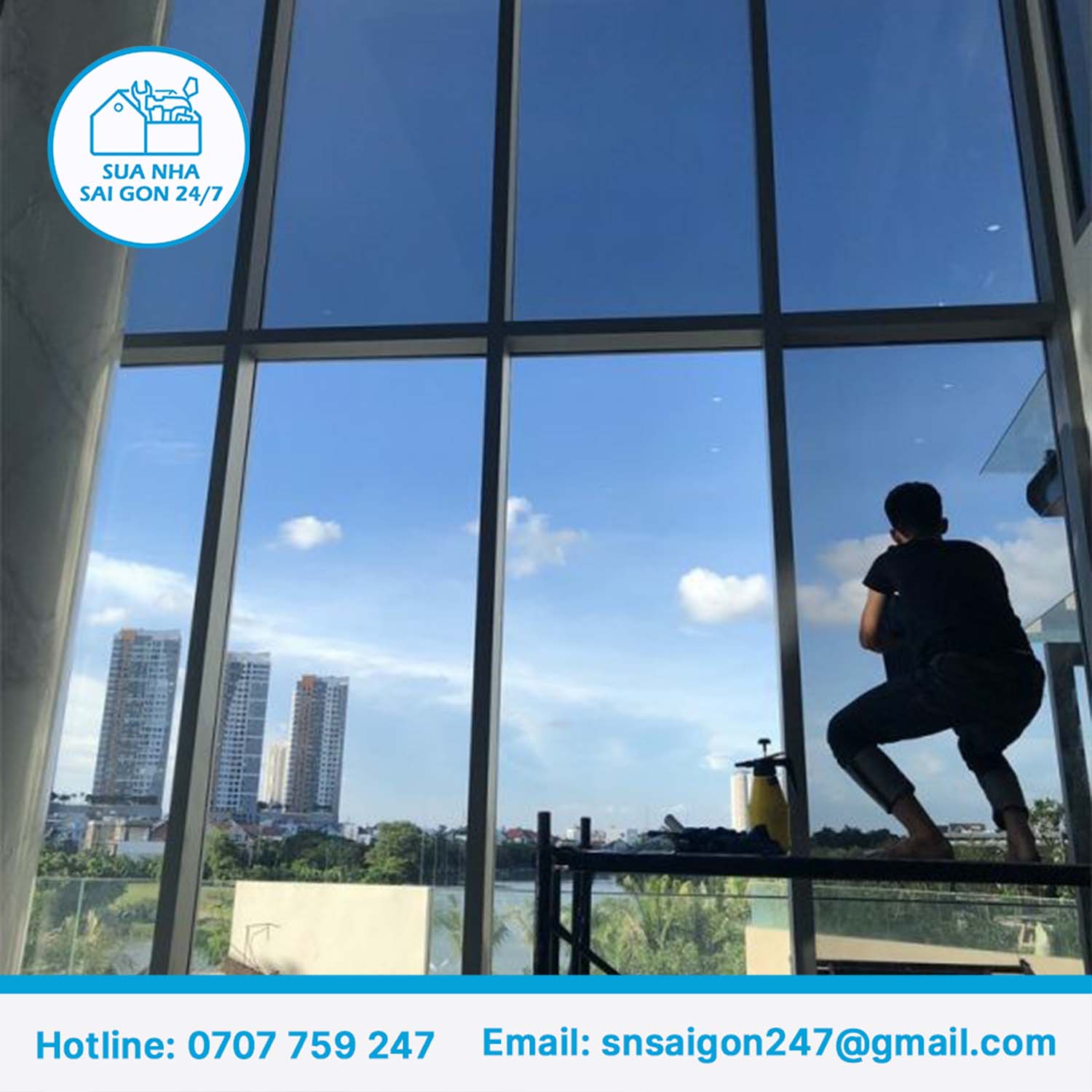
2026 Heat-Insulation Window Film Price List
Pricing for window film is calculated per square meter and depends mainly on the film type. Below is a market reference price range for Ho Chi Minh City in 2026:
| Film Type | Reference Price (VND/m²) |
|---|---|
| Standard reflective film | 220,000 – 330,000 |
| Premium reflective film (two-sided, better heat-blocking) | 330,000 – 450,000 |
| Premium nano ceramic film | 570,000 – 990,000 |
| Overall price range | 220,000 – 990,000 |
The prices above are for reference only. Actual cost depends on the building’s condition and will be confirmed after an on-site survey.
Factors that affect the actual installation cost: buildings with more angles or complex glass shapes (curved glass, triangular panels) usually have a higher per-unit price due to increased material waste and installation time. Working at height, requiring scaffolding or specialized ladders, also increases cost compared to easily accessible ground-floor glass. Larger installation areas usually come with a better per-unit price than small, one-off jobs, since the crew’s travel and setup time is used more efficiently.
Is your home overheating from a large sun-facing glass area? Contact Sai Gon Home Repair 247 — Hotline: 0707 759 247 for an on-site survey and advice on the right film for your building.
Does Heat-Insulation Window Film Really Reduce Heat and Save on Electricity?
This is the most common question customers ask when considering this service. Good-quality film installed correctly significantly reduces the radiant heat passing through the glass, helping the space stay cooler and keeping the AC from having to overwork to maintain the desired temperature.
That said, the exact degree of heat reduction depends on several factors: the film type, sun direction, the ratio of glass area to room size, and whether curtains or another shading system are used alongside it. A room where glass makes up most of the wall area will feel a more noticeable improvement than a room with just one small glass window.
A trustworthy installer will give you a straightforward, realistic expectation based on an actual survey, rather than promising exaggerated, unverifiable numbers. If a provider quotes a specific heat-reduction percentage without surveying your building, that figure is usually a manufacturer’s reference number from lab testing conditions — not a guarantee for your specific building.
How to Choose a Trustworthy Window Film Installer
Installation quality directly affects the durability and effectiveness of heat-insulation film, no matter how good the film itself is. A few things worth checking when choosing an installer:
- An on-site survey before quoting: avoid providers who quote over the phone without seeing the actual building, which often leads to extra costs once work begins.
- A transparent per-square-meter quote, with materials and labor listed separately: makes it easier to compare providers and understand what you’re paying for.
- A skilled installation crew, not just a film reseller: many providers only distribute film but hire inconsistent outside labor to install it, affecting quality.
- A clear, itemized warranty policy: avoid providers who only give a verbal promise without written or messaged confirmation.
- A clear address and contact channel: makes it easy to reach them again if you need warranty service or run into an issue after installation.
Avoid choosing a provider based on the lowest price alone without considering the factors above, since cheap film paired with careless installation tends to degrade quickly, leading to wasted money on redoing the job later.
Maintaining Window Film After Installation for Long-Term Durability
Properly installed heat-insulation film can last a long time if cleaned and cared for correctly. A few tips to help it last longer:
- Wait long enough before cleaning after installation: the film needs time for the adhesive to fully bond to the glass surface, so avoid scrubbing hard in the first few days after application.
- Clean with a soft cloth and clean water: avoid rough materials, stiff brushes, or harsh cleaning chemicals that can scratch or lift the film.
- Don’t scrape or use sharp objects on the film surface: scratches cannot be repaired and reduce the insulation effectiveness at that spot.
- Check the edges periodically: if you notice the film edge lifting or bubbling in a specific spot, address it early to prevent it from spreading across the whole panel.
Why Choose Sai Gon Home Repair 247?
Many window film installers in the Ho Chi Minh City market focus solely on film, and can’t handle related issues like a damaged frame, leaks around the glass frame, or electrical wiring near the work area.
Sai Gon Home Repair 247 has 7+ years of experience in home repair and renovation in Ho Chi Minh City, and offers window film installation as part of our broader interior finishing service, combined with frame repair or waterproofing around the glass if your building needs it. We survey the site first, provide a transparent per-square-meter quote, install with proper technique, and offer a warranty by item — you work with a single point of contact from survey through to sign-off, instead of coordinating multiple providers for each small task. For foreign customers, our team offers support via Zalo, WeChat, and KakaoTalk.
Our Service Commitment for Heat-Insulation Window Film
- Free survey & consultation: measuring the area and recommending the right film for your sun exposure and budget before quoting.
- Transparent per-square-meter quote: materials and labor listed separately, confirmed before work begins.
- Proper installation technique: thorough surface cleaning, full air-bubble removal, and flat, seamless edges.
- Warranty by item: the warranty period is confirmed specifically for your film type and building at the time of quoting.
- Multi-channel support: consultation available via hotline, Zalo, WeChat, and KakaoTalk for foreign customers.
Service Area
Sai Gon Home Repair 247 provides heat-insulation window film installation across Ho Chi Minh City: District 1, 3, 4, 5, 6, 7, 8, 10, 11, 12, Binh Thanh, Go Vap, Tan Binh, Tan Phu, Phu Nhuan, Binh Tan, Thu Duc City (former District 2, 9, and Thu Duc), as well as Nha Be, Hoc Mon, Binh Chanh, Cu Chi, and Can Gio districts. We take on townhouses, apartments, villas, offices, showrooms, and commercial glass-fronted buildings.
Frequently Asked Questions
How much does heat-insulation window film cost per square meter?
2026 market reference pricing ranges from 220,000–990,000 VND/m² depending on the film type and installation location. Standard reflective film is around 220,000–330,000 VND/m², while premium deep heat-blocking film is around 570,000–990,000 VND/m². The exact price requires an on-site survey.
Does heat-insulation window film really reduce heat?
Yes. Good-quality window film can block most UV rays and significantly reduce the heat passing through the glass, depending on the film type and installation conditions. The exact reduction needs to be measured on-site based on sun direction and glass type.
Should glass-fronted homes or buildings with large glass facades get heat-insulation film?
Yes, especially for west-facing homes, buildings with a large glass area, or those relying heavily on air conditioning. Window film reduces the heat absorbed through the glass, lowers the load on your AC, and protects furniture from UV fading.
Which type of heat-insulation film should I choose for a glass-fronted building?
Reflective film suits a moderate budget and blocks heat well but darkens the glass more. Nano ceramic film keeps high clarity and blocks heat more deeply but costs more. The right choice depends on sun direction, budget, and aesthetic preference.
How long does heat-insulation window film installation take?
For a moderate glass area (townhouse, apartment), installation is usually completed within one day. Larger projects such as offices or buildings with an extensive glass area may take 2–3 days depending on the workload.
How long is the warranty for heat-insulation window film?
The warranty period depends on the film type and is confirmed specifically at the time of quoting. Sai Gon Home Repair 247 provides a warranty by item, agreed clearly with you before installation begins.
Does heat-insulation window film darken the home?
It depends on the film type. Reflective film is darker, while nano ceramic film keeps brightness and visibility close to the original glass while still blocking heat effectively. An on-site survey helps choose the right light-transmission level for your living space.
Where can I find a trustworthy heat-insulation window film installer in Ho Chi Minh City?
Look for a provider that conducts an on-site survey, gives a transparent per-square-meter quote, and offers a clear warranty. Sai Gon Home Repair 247 provides heat-insulation window film installation in Ho Chi Minh City with a free survey and an itemized quote.
Sai Gon Home Repair 247 — 7+ years of experience in home repair and renovation in Ho Chi Minh City.
Hotline: 0707 759 247 · English support: +84 33 939 0325 · English & Korean support: +84 76 806 7114
Email: snsaigon247@gmail.com · Zalo/WeChat/KakaoTalk available
Address: No. 150 Tran Nao Street, An Khanh Ward, Ho Chi Minh City · Working hours: Mon–Sat, 08:00–17:30
Don’t let your home’s large glass area keep absorbing the sun’s heat every day. Contact Sai Gon Home Repair 247 for a survey and advice on the right film for your building!