Tiếng Việt


What Is a Concealed Ceiling Air Conditioner?
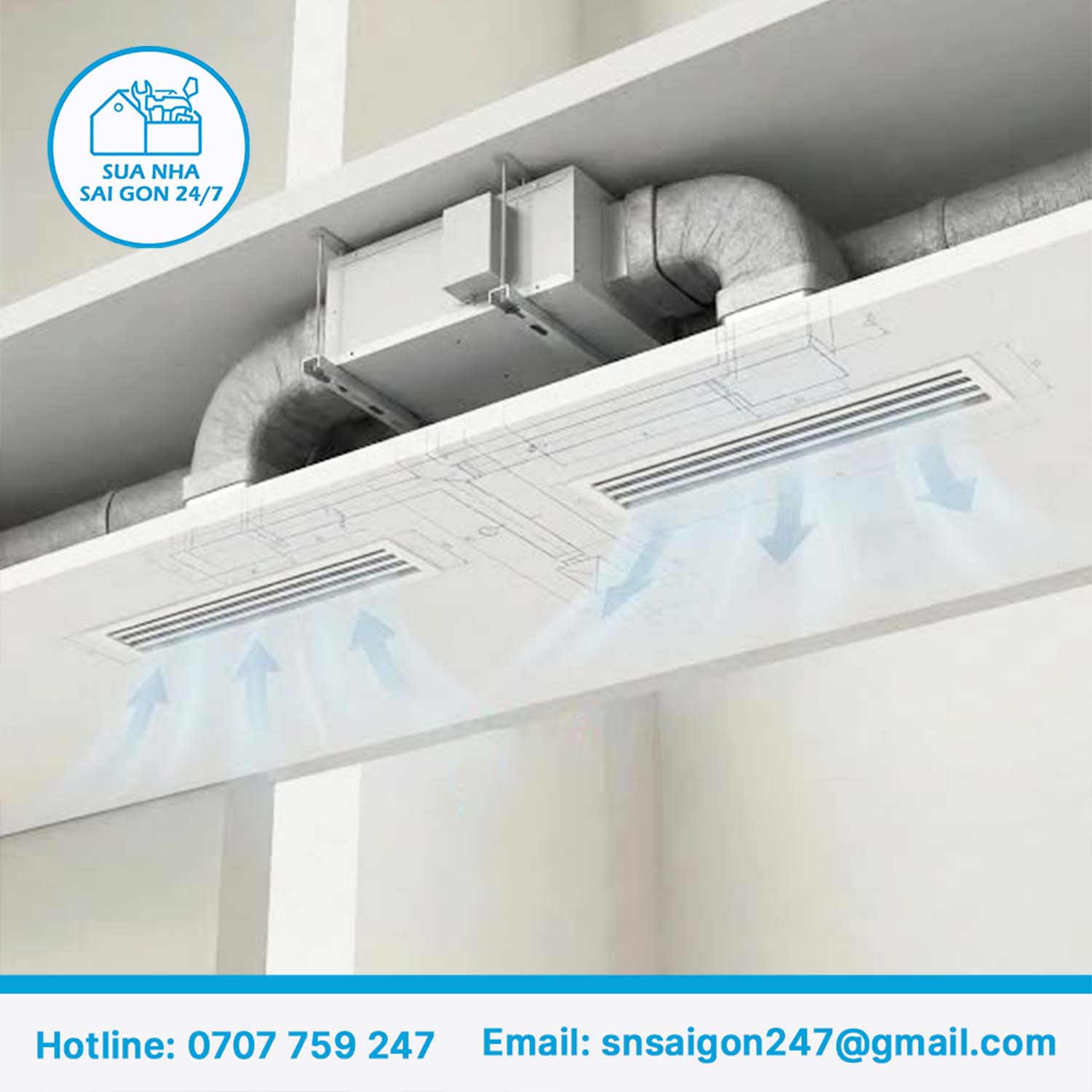
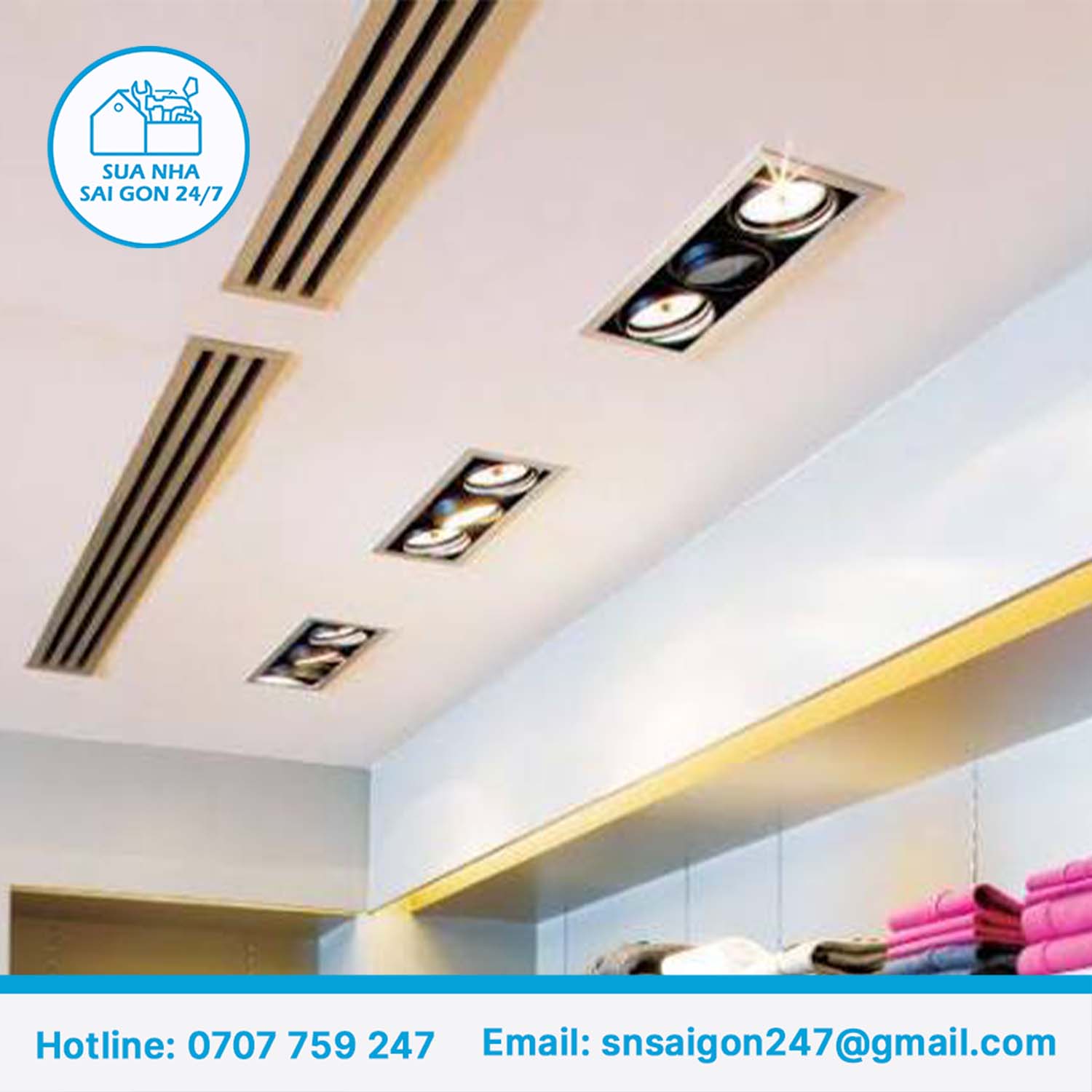
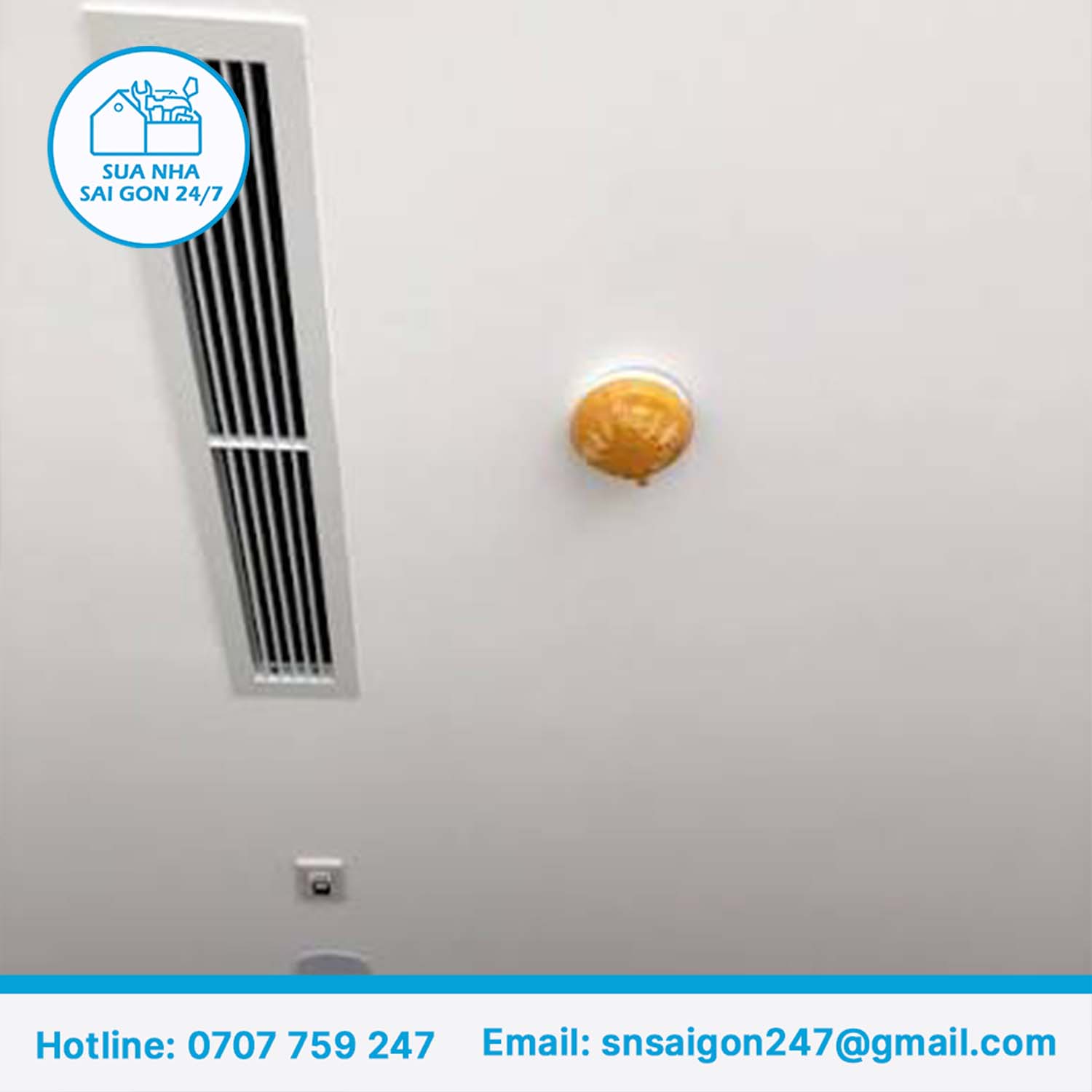
A concealed ceiling air conditioner has its indoor unit fully hidden above the false ceiling, with only the supply and return grilles visible on the ceiling surface. This design keeps the room below clean and uncluttered, unlike a wall-mounted unit where the indoor unit stays visible.
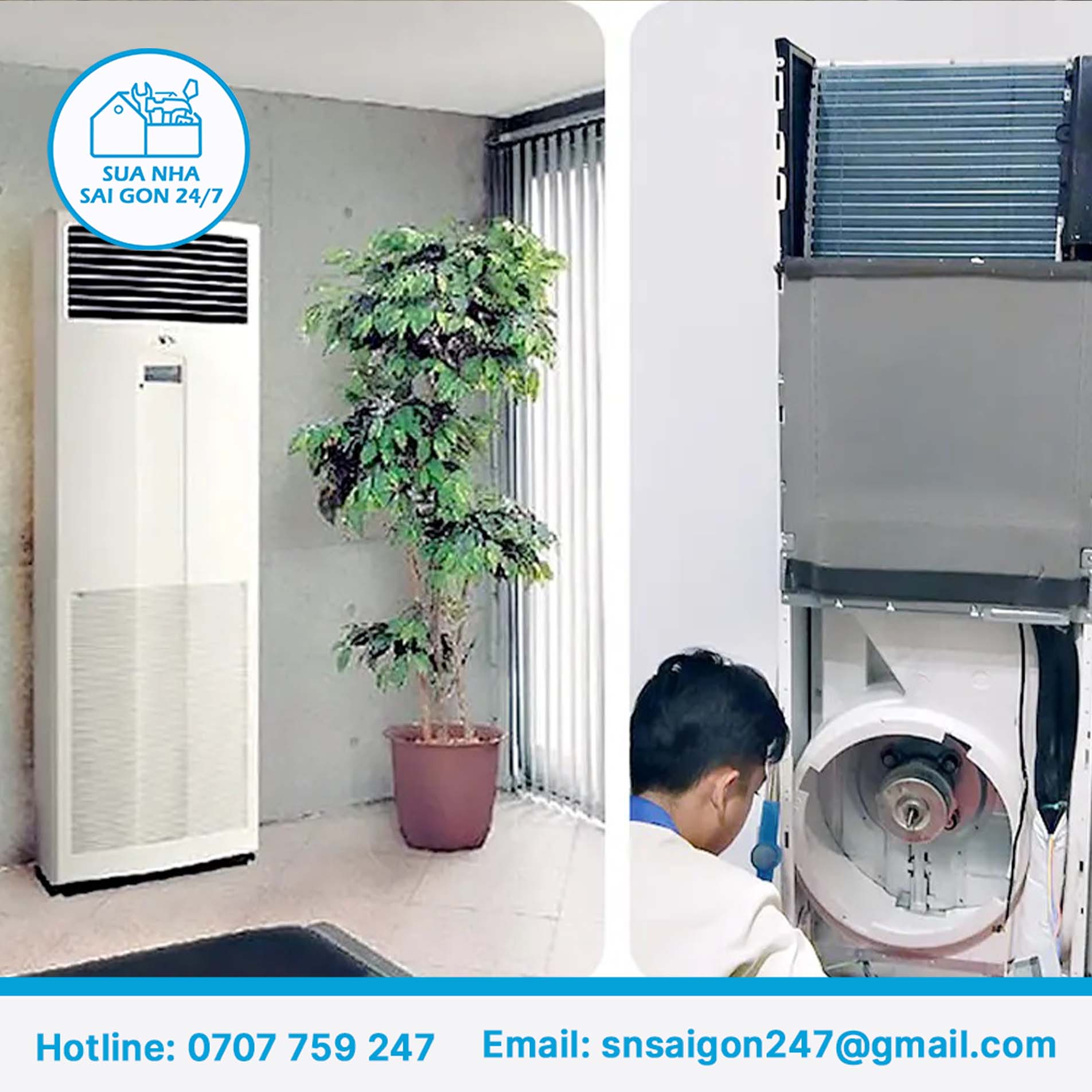
Because the indoor unit connects to the grilles through a relatively long duct run, inspecting and repairing this type of unit requires a technician to work above the ceiling — more involved than servicing a standard wall-mounted unit.
This is also why concealed ceiling units are often chosen for spaces where appearance matters, where the homeowner or designer doesn’t want the unit’s body visible against the ceiling and interior finish.
Concealed, Recessed, and Cassette: Telling the Difference So You Book the Right Service
“Concealed ceiling” and “recessed ceiling” refer to the same type of ducted unit hidden inside the ceiling — the two terms are often used interchangeably when searching for repair services.
A ceiling cassette unit is different: its indoor unit is mounted flush against the ceiling surface, with the body visible and four square air outlets around it — it isn’t fully hidden like a concealed ceiling unit. Confirming the correct unit type before calling a technician helps them bring the right tools and replacement parts.
Where Are Concealed Ceiling Air Conditioners Typically Installed?
Concealed ceiling units suit spaces with a false ceiling tall enough to hide the indoor unit and its ductwork — commonly found in offices, meeting rooms, showrooms, restaurants, and apartments or townhouses with a tiered ceiling design.
Compared with a wall-mounted unit, this type allows multiple air outlets positioned around a single room, spreading cool air more evenly in larger or irregularly shaped spaces.
Because the indoor unit sits deep inside the ceiling, routine checks are easier to overlook than with a wall-mounted unit. In many cases, a fault has already developed internally before the owner notices anything — usually once symptoms like water leakage or loud noise become obvious.
Signs Your Concealed Ceiling AC Needs Repair
- Unusual noise: vibration or knocking sounds coming from the ceiling while the unit is running.
- Water leakage or ceiling stains: condensation dripping from the grille or water marks spreading across the false ceiling.
- Not cooling despite running: the fan operates but the airflow no longer feels cold.
- Error codes on the remote or control board: some models display fault codes or flash warning lights.
- Frost on the indoor coil: visible ice buildup around the coil or copper piping when the access panel is opened.
If only one of these signs appears and it’s still at an early stage, an early survey allows for faster repairs and limits extra cost from the fault spreading further.
Common Causes of Breakdowns
Most faults in concealed ceiling units come from dust buildup over time, refrigerant loss through leaks, or mechanical components wearing out after extended use.
| Symptom | Common Cause |
|---|---|
| Noisy operation | Dusty outdoor unit, worn or dry-running fan/compressor, loose mounting bolts |
| Water leakage | Condensate tray tilted out of position, drain line blocked or cracked |
| Not cooling | Dirty filter blocking airflow, refrigerant leak at a copper joint, faulty temperature sensor |
| Frost on indoor coil | Severe refrigerant loss, weak indoor fan reducing airflow |
Popular brands in Ho Chi Minh City such as Daikin, Panasonic, LG, and Mitsubishi Electric mostly use R32 or R410A refrigerant — technicians need to confirm the correct refrigerant type before topping it up to avoid incorrect system pressure.
The Professional Repair Process
A complete repair process for a concealed ceiling AC unit typically follows four steps: an overall survey, fault diagnosis, technical repair, and a final test run.
- Overall survey of the indoor and outdoor units: checking for unusual noise, water leakage, and current cooling performance to define the scope of work.
- Diagnosing the specific cause: measuring refrigerant pressure and checking the temperature sensor, wiring, and mechanical connections.
- Technical repair: cleaning the indoor and outdoor units, tightening loose mounting points, topping up refrigerant, or replacing faulty parts (compressor, sensor, control board) depending on the actual condition.
- Test run and handover: re-checking cooling performance, noise level, current draw, and airflow before handing the unit back to the customer.
Contact Sai Gon Home Repair 247 for an on-site survey and advice on the right solution for your concealed ceiling air conditioner at home or in the office.
DIY or Call a Technician? A Risk Comparison
Not every fault in a concealed ceiling unit needs an immediate technician visit — some basic cleaning tasks can be done at home on a regular basis.
| Situation | You Can Handle It | Call a Technician |
|---|---|---|
| Cleaning the external filter | ✔ | |
| Water leakage or ceiling stains | ✔ (related to the concealed drainage system) | |
| Noise or vibration | ✔ (requires checking internal mechanical parts) | |
| Not cooling, suspected refrigerant loss | ✔ (handling refrigerant requires specialized equipment) | |
| Frost on the indoor coil | ✔ (a sign of a serious fault needing prompt attention) |
Removing the indoor unit without the right expertise can easily damage components further or create an electrical safety risk — for anything beyond external filter cleaning, it’s best to have an experienced technician handle it.
Common Mistakes When Handling It Yourself
A few tasks that seem harmless when handled at home are often what turns a minor fault into a bigger repair.
- Poking a rod or hard object into the drain line to clear a blockage, which can crack the pipe or shift the condensate tray inside the ceiling.
- Removing the indoor unit without switching off the circuit breaker first, creating an electrical safety risk.
- Topping up refrigerant without confirming the correct type (R32/R410A), which throws off system pressure and shortens compressor life.
- Delaying a technician visit over a minor noise until the indoor coil frosts over or the unit stops entirely, by which point the repair costs more because the fault has spread.
- Choosing an unverified service provider with no clear way to follow up if the same fault comes back.
Most of these mistakes come from underestimating how complex the ductwork and drainage system hidden inside the ceiling really is, since it can’t be inspected directly by eye.
Repair Costs: What Affects the Price
The cost of repairing a concealed ceiling air conditioner depends on the type of fault, the brand, and the actual extent of the damage, so there’s no single fixed rate that applies to every case.
- Minor faults: cleaning the indoor/outdoor unit, tightening bolts, checking the sensor.
- Moderate faults: topping up refrigerant, fixing the condensate drainage system.
- Major faults: replacing the compressor, control board, or a severely damaged indoor unit.
Beyond the type of fault, cost is also affected by the unit’s brand, how difficult the false ceiling is to access (an existing access panel versus having to cut into the ceiling), and the unit’s age — older units typically need more worn parts replaced than newer ones.
The figures above are for reference only. Actual cost depends on the site condition and is confirmed after an on-site survey.
What to Prepare Before the On-Site Survey
Having a few basic details ready before calling a technician helps the survey for your concealed ceiling unit go faster and more accurately.
- Note down the specific symptoms: when the noise started, how much water is leaking, whether there’s any unusual smell.
- Identify the brand and model if possible, usually printed on the indoor unit or the remote control.
- Take a photo or short video of the leak location or ceiling stain for the technician to reference beforehand.
- Make sure access to the ceiling (ladder, ceiling access panel) is clear of obstructions.
- Have your address and a convenient time ready to schedule the survey.
How Sai Gon Home Repair 247 Handles Concealed Ceiling AC Repairs
When a concealed ceiling unit develops a fault, waiting too long or choosing an inexperienced provider can turn a minor issue into a bigger one — particularly with the concealed drainage system, which can easily affect the surrounding false ceiling.
Sai Gon Home Repair 247 has more than 7 years of experience in repair and renovation work across Ho Chi Minh City, surveying the site directly before quoting and carrying out work exactly to the agreed scope with the customer. The service covers both residential concealed ceiling units and office or retail systems.
See full details at our concealed ceiling air conditioner repair service in Ho Chi Minh City. If your unit only needs routine cleaning rather than repair, our concealed ceiling AC cleaning service may be a better fit.
We’re glad to help with a survey and quote based on the actual condition of your unit.
Routine Maintenance to Prevent Breakdowns
Cleaning the filter around 2–4 times a month helps maintain airflow and stable cooling performance, especially during periods of continuous use in hot weather.
Beyond that, the indoor unit, outdoor unit, and refrigerant level should get a full check every 3–6 months, rather than waiting until a fault clearly shows up. A regular maintenance habit catches early warning signs — slight vibration or reduced performance — before they turn into a major issue requiring part replacement.
For offices or shops running a concealed ceiling unit continuously for many hours a day, it’s worth shortening the full maintenance cycle to closer to 3 months instead of 6, since the higher usage causes dust buildup and wear to accumulate faster than in a typical home.
Frequently Asked Questions
What is a concealed ceiling air conditioner?
What’s the difference between a concealed ceiling, recessed ceiling, and cassette unit?
What should I do if my concealed ceiling AC is leaking water?
Why is my concealed ceiling AC running noisy?
Why isn’t my concealed ceiling AC cooling even though it’s still running?
How often should a concealed ceiling AC be serviced?
How much does it cost to repair a concealed ceiling AC in Ho Chi Minh City?
Should I repair a concealed ceiling AC myself?
For advice on your concealed ceiling air conditioner at home or in the office, please contact the technical team at Sai Gon Home Repair 247:
- English & Korean support: 076 806 7114
- English support: 033 939 0325
- Email: snsaigon247@gmail.com
- Zalo / WeChat / KakaoTalk available
- Address: 150 Tran Nao Street, An Khanh Ward, Ho Chi Minh City