Tiếng Việt


What’s Included in Residential Electrical Installation
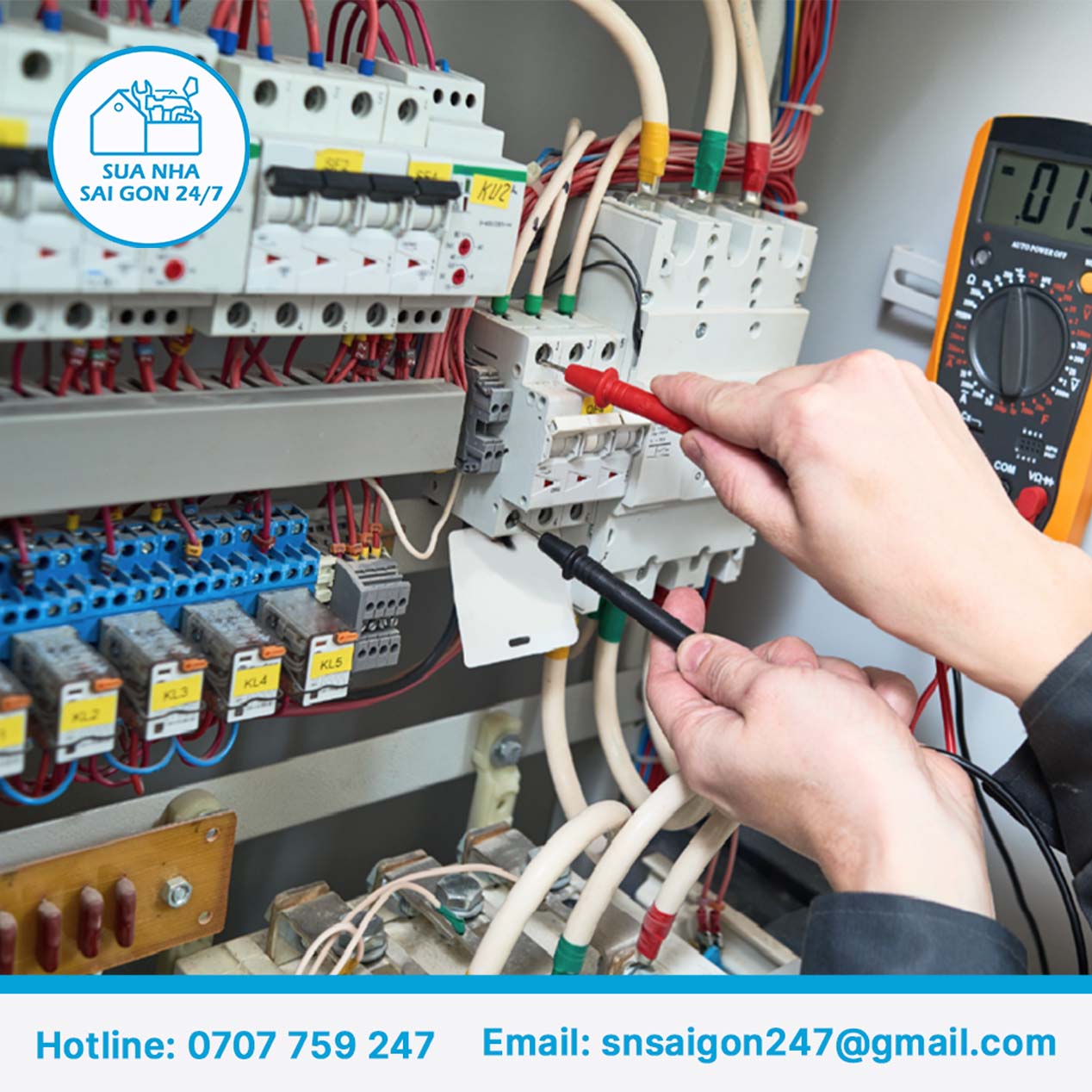
Sai Gon Home Repair 247’s residential electrical installation service covers the following main items:
- Installing the main distribution board and sub-distribution panels for each area.
- Running concealed wiring in the wall or floor depending on the building structure.
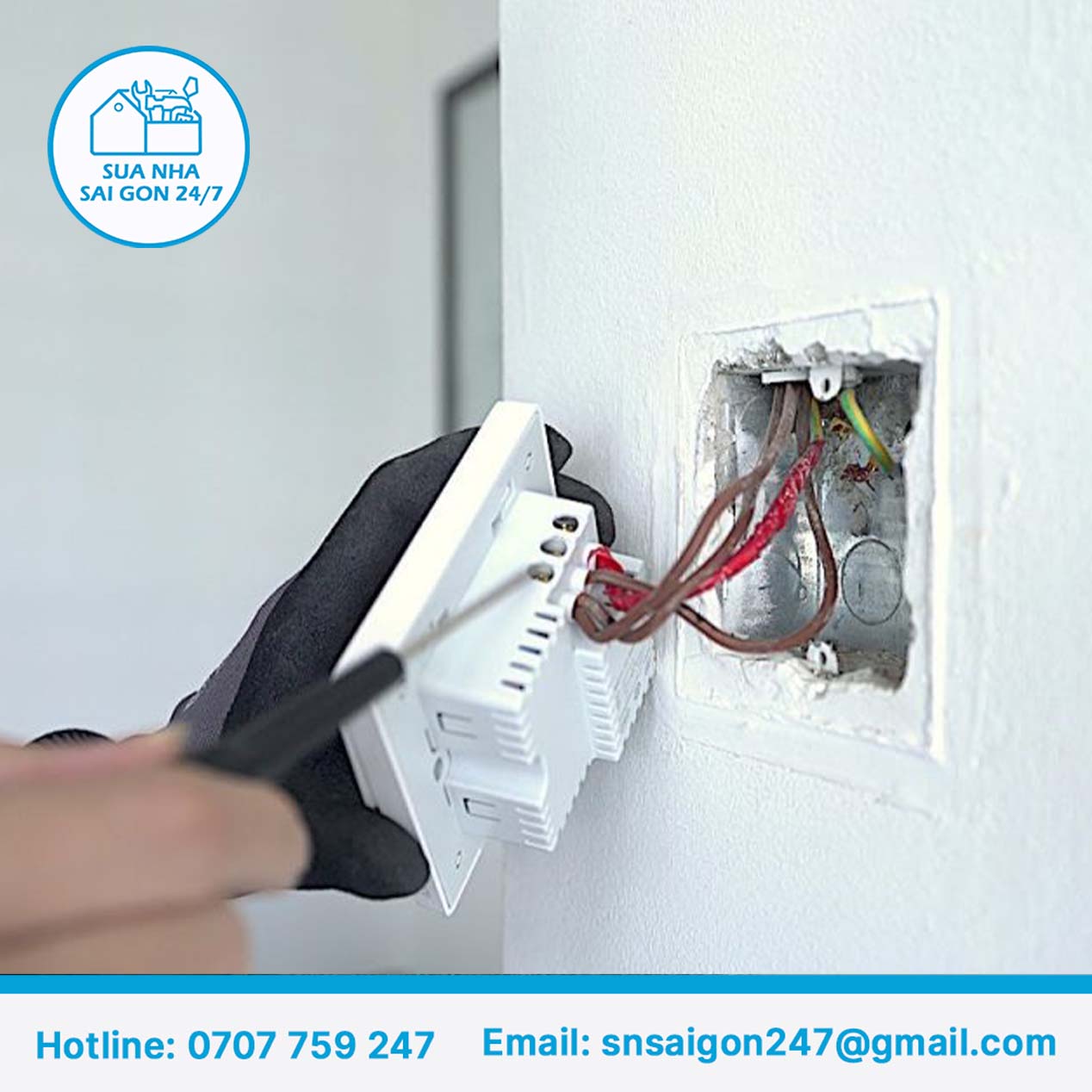
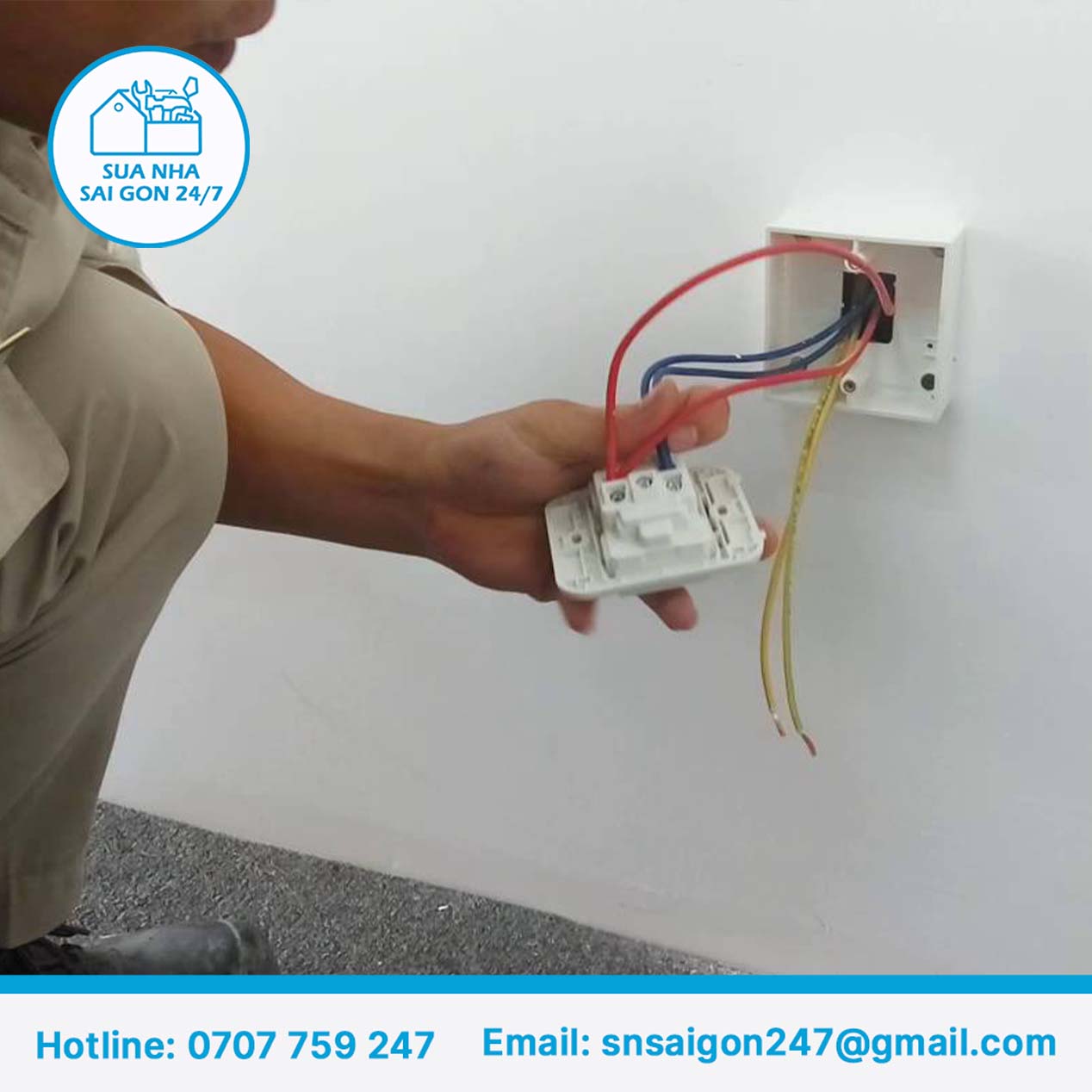
- Installing power outlets, switches, and connection points for household devices.
- Installing lighting suited to each area of the home.
- Installing a safe grounding system as required by the property.
- Checking, measuring the load, and rebalancing an existing electrical system if renovation is needed.
What Is Concealed Wiring? How It Differs From Surface-Mounted Wiring
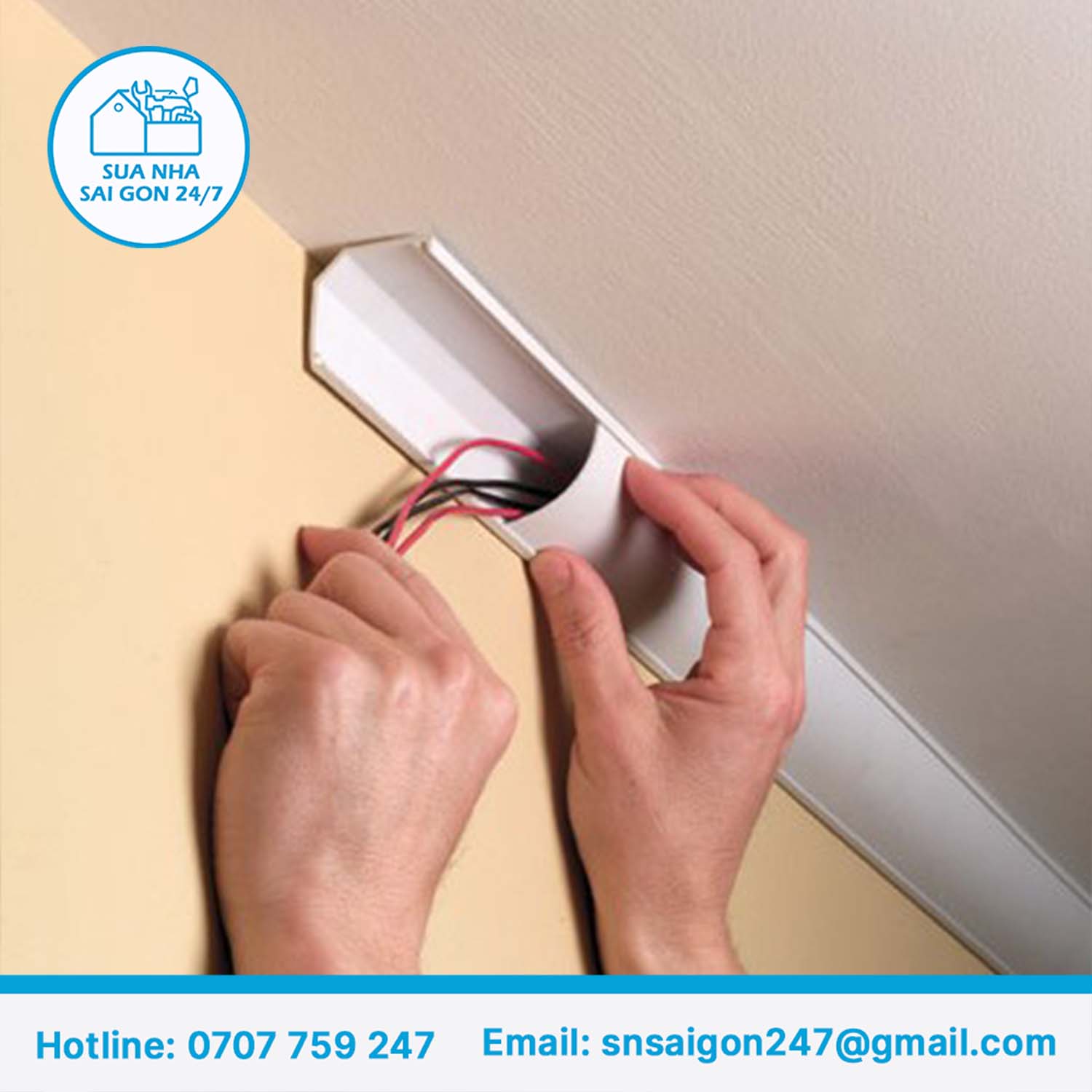
Concealed wiring is a wiring system run through conduit and buried inside the wall or concrete floor, exposed only at outlets, switches, or light fixtures. Surface-mounted wiring, by contrast, runs exposed on the wall surface using trunking or conduit clips.
The two approaches differ clearly in three respects: appearance, upfront cost, and repairability.
- Appearance: concealed wiring hides the cabling, keeping the space looking clean; surface-mounted wiring is generally better suited to utility areas, storage rooms, or temporary structures.
- Upfront cost: concealed wiring takes more labor to cut into and patch the wall, so it costs more than surface-mounted wiring for the same scope of work.
- Repairability: surface-mounted wiring is easy to inspect and replace when it fails; concealed wiring requires cutting into the wall to access it, so it needs to be installed correctly the first time, with a clear wiring diagram kept on file.

Concealed Wiring Installation Process
To keep the electrical system safe and suited to actual usage needs, Sai Gon Home Repair 247’s technicians follow this process:
- Survey current conditions: the technician checks the floor area, wall/floor structure, number of devices in use, and notes the desired layout for outlets, switches, and lighting.
- Design the wiring diagram: calculating the required electrical load and proposing distribution board locations, wiring routes, and connection points suited to the interior layout.
- Quote and confirm the plan: advising on a specific installation plan along with reference costs for each item before work begins.
- Cut the wall, install conduit: cutting channels per the agreed plan, running wiring through PVC or flexible conduit to standard.
- Wire and connect: connecting wiring to the distribution board, outlets, and switches, then testing insulation before patching the wall.
- Patch, test the load, and sign off: patching the cut sections flush, measuring the electrical load, checking the grounding system, and test-running everything before handover.
What Affects the Cost of Residential Electrical Installation
The cost of residential electrical installation depends on a number of different factors — there’s no fixed price that applies across every property. The main factors to weigh when budgeting are:
- Installation area and number of electrical points (outlets, switches, lights).
- Type of wiring and conduit used.
- How complex the work is — cutting into walls, running wiring under the floor, or through concrete beams.
- The property’s current condition: a new build, an occupied home, or an upgrade of an old system.
- Whether a new main distribution board is needed, or just an added sub-panel.
The prices above are for reference only. Actual cost depends on the site’s condition and will be finalized after an on-site survey.
Technical & Safety Standards for Concealed Wiring Installation
Properly installed concealed wiring needs to meet these basic technical requirements:
- Wiring sized to the actual load: using wiring from a clear, reputable source such as Cadivi, with a gauge suited to the load to avoid overheating or voltage drop.
- Standard-grade conduit: using PVC or flexible conduit with good insulating properties, protecting wiring from moisture and making it easier to replace when needed.
- Shock-protection circuit breakers (CBs): sized correctly for each area, with automatic tripping when a leak or overload is detected.
- A proper grounding system: ensures leakage current is safely directed to ground, reducing the risk of electric shock.
- A clear wiring diagram: keeping a record of where concealed wiring runs, to make future repairs or renovation easier.
Concealed vs. Surface-Mounted Wiring: Which One to Choose
Choosing concealed or surface-mounted wiring depends on the type of property, your budget, and how much you prioritize appearance:
- Concealed wiring is generally the better choice for a long-term home, apartment, living room, or bedroom — anywhere appearance matters and the layout isn’t likely to change soon.
- Surface-mounted wiring is worth considering for utility areas, storage rooms, small workshops, or short-term leased spaces — anywhere fast installation, lower cost, and easy adjustment matter more.
- For older-home renovations, a thorough survey is worth doing before deciding, since concealed wiring on an older wall can end up costing more if the structure isn’t well suited to it.
Common Mistakes in Concealed Wiring Installation
From surveying and repairing properties with previously installed concealed wiring, our technical team repeatedly runs into the same issues:
- No wiring diagram kept on file: making it hard to locate wiring later for repairs or when drilling to mount furniture or fixtures.
- Undersized wiring for the load: prone to overheating or voltage drop when multiple devices run at once.
- No protective conduit used: leaving wiring exposed to moisture or rodent damage without being noticed early.
- Missing or substandard grounding: a safety risk, especially in damp areas like bathrooms and kitchens.
- Outlets placed without planning for actual usage needs: inconvenient when rearranging furniture or adding new devices later.
A thorough survey before installation catches these issues early, avoiding a situation where the wall needs to be cut open again shortly after the work is finished.
Pros and Cons of Concealed Wiring
Before committing to concealed wiring throughout a property, it’s worth weighing both the advantages and the trade-offs:
| Criteria | Concealed Wiring |
|---|---|
| Appearance | Clean, no visible wiring, well suited to a long-term living space |
| Upfront installation cost | Higher than surface-mounted, due to cutting and patching the wall |
| Durability | Durable when installed correctly, less exposed to physical damage than surface-mounted wiring |
| Repairability | More involved — requires cutting into the wall to access a fault |
| Future flexibility | More limited — the number of electrical points needs to be planned carefully upfront |
Overall, concealed wiring suits a stable, long-term home where appearance is a priority and the layout isn’t likely to change often. For a property likely to change use frequently, it’s worth discussing the trade-offs with a technician before deciding.
Repair Costs When Something Goes Wrong
One factor that often gets overlooked when comparing concealed and surface-mounted wiring is the cost of fixing things if the electrical system develops a fault after installation. It’s worth factoring this in at the design stage, not just looking at the upfront installation cost.
- Surface-mounted wiring: when wiring fails or needs replacing, a technician can simply open the trunking or conduit clips to inspect and fix it directly, with no cost for cutting into or patching a surface.
- Concealed wiring: without a clear wiring diagram, locating a fault may require cutting into the wall at multiple points, adding costs for cutting, rerouting wiring, and patching the finish.
- How to reduce this risk: keep a detailed wiring diagram right after sign-off, mark the location of key connection points, and use good-quality conduit to reduce the chance of damage.
Over the long run, concealed wiring installed correctly from the start tends to run into fewer faults than wiring installed carelessly, even if the upfront cost is somewhat higher.
New-Build Electrical Work vs. Renovating an Occupied Home
These two situations differ quite a bit in process and complexity:
- A new build or a property still at shell-and-core stage: concealed wiring can be designed from the start around the planned interior layout, making it easy to optimize outlet, switch, and distribution board placement without being constrained by an existing system.
- An occupied home or a renovation: requires a careful survey to determine which parts of the existing system are still sound, only reworking or adding what’s needed, and scheduling the work by area to minimize disruption to daily life.
For an occupied home, it’s also worth discussing in advance how furnishings will be protected, how dust from cutting into walls will be cleaned up, and whether work can be scheduled outside normal living hours.
Periodic Maintenance After Installation
After the work is finished, periodic maintenance keeps concealed wiring running stably and reduces the risk of faults over the long term:
- Regularly inspecting the distribution board and circuit breakers to catch early signs of overload or wear.
- Periodically testing the grounding system, especially after the rainy season or when the property shows signs of dampness.
- Checking connections at outlets and switches to prevent loose or oxidized contacts that cause intermittent faults.
- Updating the wiring diagram whenever changes or additions are made.
Periodic maintenance doesn’t just make the electrical system last longer — it also helps prevent unexpected faults that could disrupt daily life or business operations at home.
Preparing Before the Technician’s Site Survey
To make the survey visit more productive and get a more accurate quote, it helps to have the following ready in advance:
- A floor plan or planned interior layout (if available).
- The expected number of electrical devices, especially high-power ones like air conditioners and water heaters.
- Any special-purpose areas to note (kitchen, bathroom, damp areas).
- Your desired completion timeline and any scheduling constraints tied to your household routine.
Why Choose Sai Gon Home Repair 247
Many homeowners struggle to find an electrical contractor who’s both technically sound and transparent about cost — especially for concealed wiring, which is hard to inspect again once it’s finished. Sai Gon Home Repair 247 addresses this with a clear process: survey → transparent quote → installation → sign-off → warranty by item, with a fixed technical team and no middleman.
We also serve foreign customers, particularly the Korean community living in Ho Chi Minh City, with support available via Zalo, WeChat, and KakaoTalk.
Contact Sai Gon Home Repair 247 at hotline 0707 759 247 for an on-site survey and advice on the right residential electrical installation plan.
Service Area
Sai Gon Home Repair 247 provides residential electrical installation across: Thu Duc City, Binh Thanh, District 7, District 1, District 3, Go Vap, Phu Nhuan, Tan Binh, and surrounding areas of Ho Chi Minh City.
Frequently Asked Questions
What is concealed wiring installation?
It’s the installation of wiring and conduit inside a wall or floor instead of running it exposed on the surface, which keeps the space looking clean and reduces the chance of physical damage to the wiring.
How does concealed wiring differ from surface-mounted wiring?
Concealed wiring is buried inside the structure, so it looks better but is harder to repair when something fails; surface-mounted wiring runs exposed, which installs faster and is easier to inspect and repair but looks less finished.
What does residential electrical installation include?
It includes installing the distribution board, running wiring and conduit, installing outlets/switches, lighting systems, grounding, and other electrical safety items depending on the property.
Can concealed wiring be repaired if it fails?
Yes, but repairs are generally more involved than with surface-mounted wiring since they require cutting into the wall to reach the fault, which is why correct installation and a clear wiring diagram from the start matter.
What determines the cost of residential electrical installation?
Cost depends on the installation area, number of electrical points, type of wiring and conduit used, how complex the cutting or under-floor work is, and the property’s current condition. Actual cost is confirmed after an on-site survey.
Can concealed wiring be installed in an occupied home?
Yes, though it will involve cutting into walls and may create some dust and noise during the work. The installation team can work area by area or schedule around your routine to minimize disruption.
How long does concealed wiring installation take?
Timing depends on the floor area and number of electrical points. A mid-sized townhouse is usually completed within a few days; a larger property or full renovation may take 1–2 weeks.
Is residential electrical installation covered by warranty?
Yes. Sai Gon Home Repair 247 provides a warranty for each installed item, with the specific term confirmed at the time of the survey and quote.
Sai Gon Home Repair 247 — over 7 years of repair & renovation experience in Ho Chi Minh City.
Hotline: 0707 759 247 · Email: snsaigon247@gmail.com · Zalo: 0707759247
English support: 033 939 0325 · English & Korean support: 076 806 7114
Address: No. 150 Tran Nao Street, An Khanh Ward, Ho Chi Minh City
Contact us for an on-site survey and advice on the right solution for your home.