
 Tiếng Việt
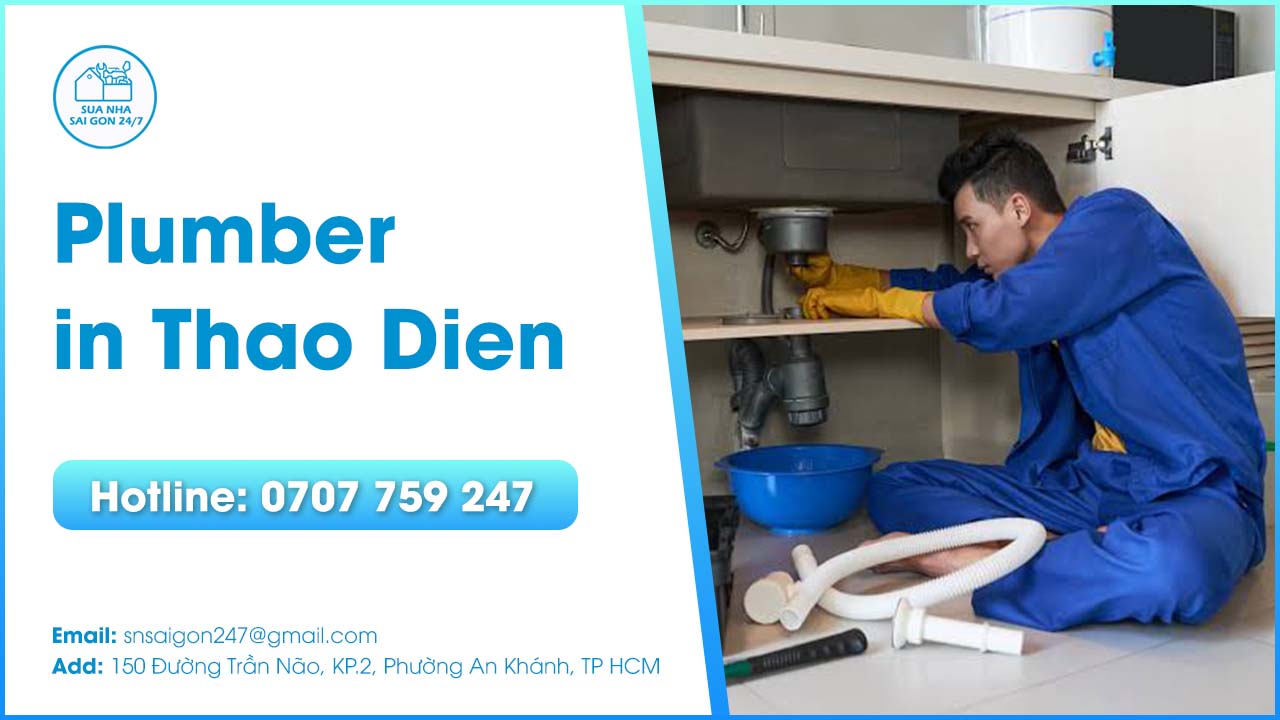
Common Plumbing Issues in Thao Dien’s Villas and Apartments
Thao Dien’s housing mix — villa compounds alongside high-rise towers — means two households a few streets apart can have completely different plumbing problems, even with the same symptom.
Villas, particularly older ones, are more likely to still have galvanized steel pipe sections that corrode internally over years of use, which shows up as reduced flow or rust-tinted water rather than a sudden failure. High-rise apartments in newer towers rarely have this specific issue, since their plumbing is more recent PVC or PPR piping, but they’re more prone to clogs in shared floor drains and P-traps, and to faucet or toilet fill-valve wear that’s identical across units of the same building model. Knowing which category an issue falls into helps set expectations before a plumber even arrives — a villa’s low pressure is often a system-level issue, while an apartment’s slow drain is usually isolated to that unit.
Why Water Pressure Problems Are Common in This Area
Water pressure complaints come up often enough in Thao Dien to be worth explaining on their own, separate from leaks or clogs.
Many villas and lower-rise buildings in the area don’t receive water at full municipal pressure directly — instead, water is pumped up to a rooftop tank and gravity-fed (or pump-boosted) back down through the building. This means pressure problems can come from several different points: a weak or failing pump, a clogged inlet filter on the tank, sediment buildup reducing pipe diameter over time, or simply a tank that’s running low because of a supply issue upstream. In high-rise towers, pressure is usually managed at the building level through shared risers and a central pump system, so an individual apartment reporting low pressure is more likely dealing with a localized issue — a partially closed valve, a clogged aerator on the faucet itself, or a problem specific to that unit’s plumbing — rather than the building-wide dynamics a villa deals with.
What to Check Before Assuming It’s a Bigger Problem
A few quick checks can clarify whether an issue is minor and isolated, or worth flagging as more serious before a plumber even arrives.
- Check if the issue affects one fixture or the whole apartment/villa: a single slow drain is usually local; low pressure everywhere points to something upstream.
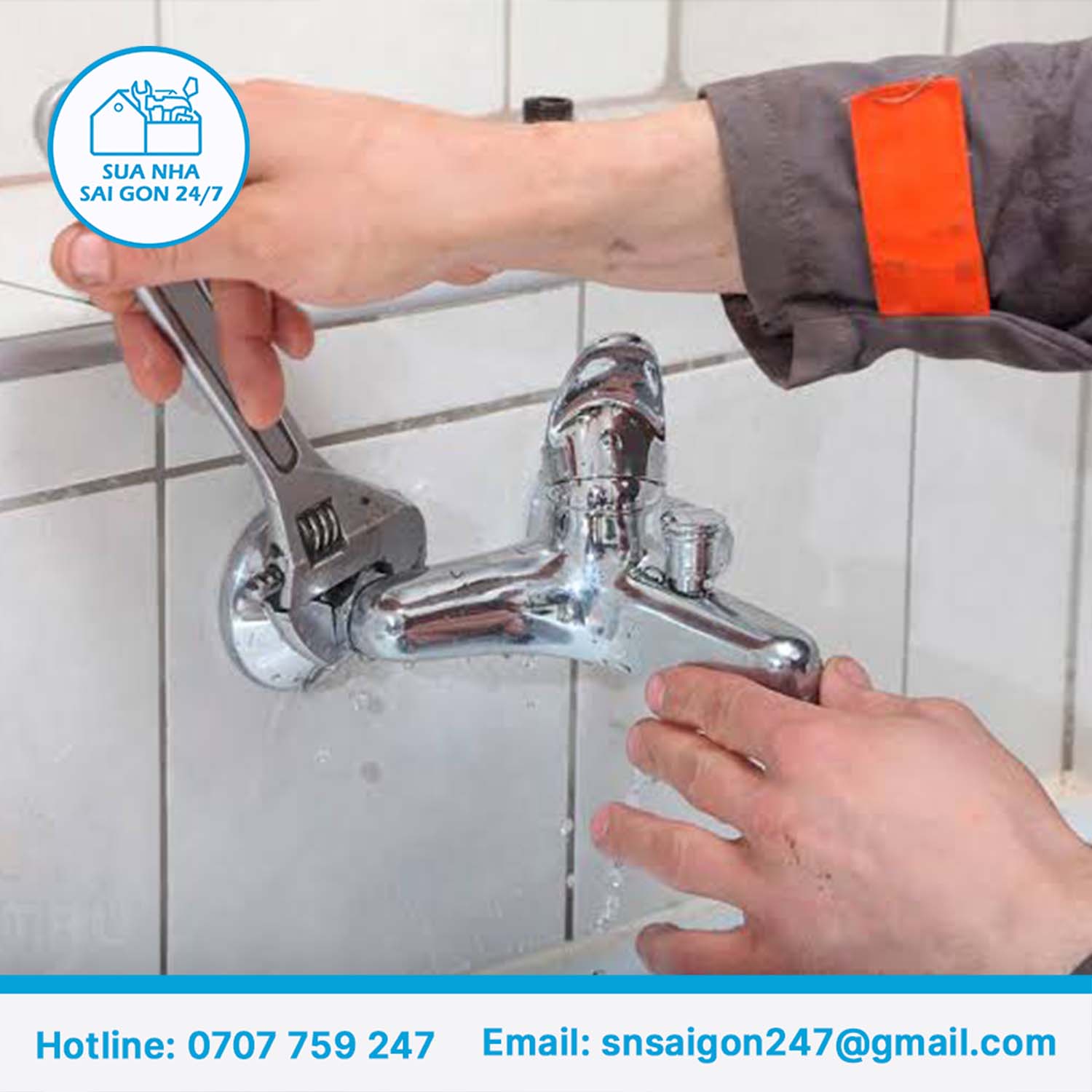
- Look at the faucet aerator: a surprising number of “low pressure” complaints are actually a clogged aerator screen, which unscrews and can be rinsed clean in minutes.
- Check the main shutoff valve position: occasionally a valve gets partially closed during other work and never fully reopened.
- Note the water color and any smell: rust-tinted water suggests aging pipe, while a sulfur-like smell more often points to the water tank itself than the plumbing lines.
- Ask neighbors if they have the same issue (for apartments) or check if it’s building-wide — this distinguishes a shared system problem from something isolated to your unit.
None of these checks require tools or plumbing knowledge, but they make the conversation with a plumber more efficient, since you can describe what’s isolated versus what’s affecting the whole property.
Common Plumbing Repairs and Reference Pricing (2026)
Plumbing costs in Ho Chi Minh City are generally priced per fixture or per job rather than a flat callout fee, so the type of issue matters more than the location within the city.
| Issue / Fixture | Service | Reference Price (VND) |
|---|---|---|
| Bathroom sink | Unclog the drain | 270,000 – 380,000 |
| Kitchen sink | Unclog the drain | 350,000 – 490,000 |
| Bathroom/toilet floor drain | Unclog the drain | 485,000 – 595,000 |
| Sink or lavabo faucet | Fix a leak | From 150,000 |
| Kitchen sink faucet | Replace | 200,000 – 300,000 |
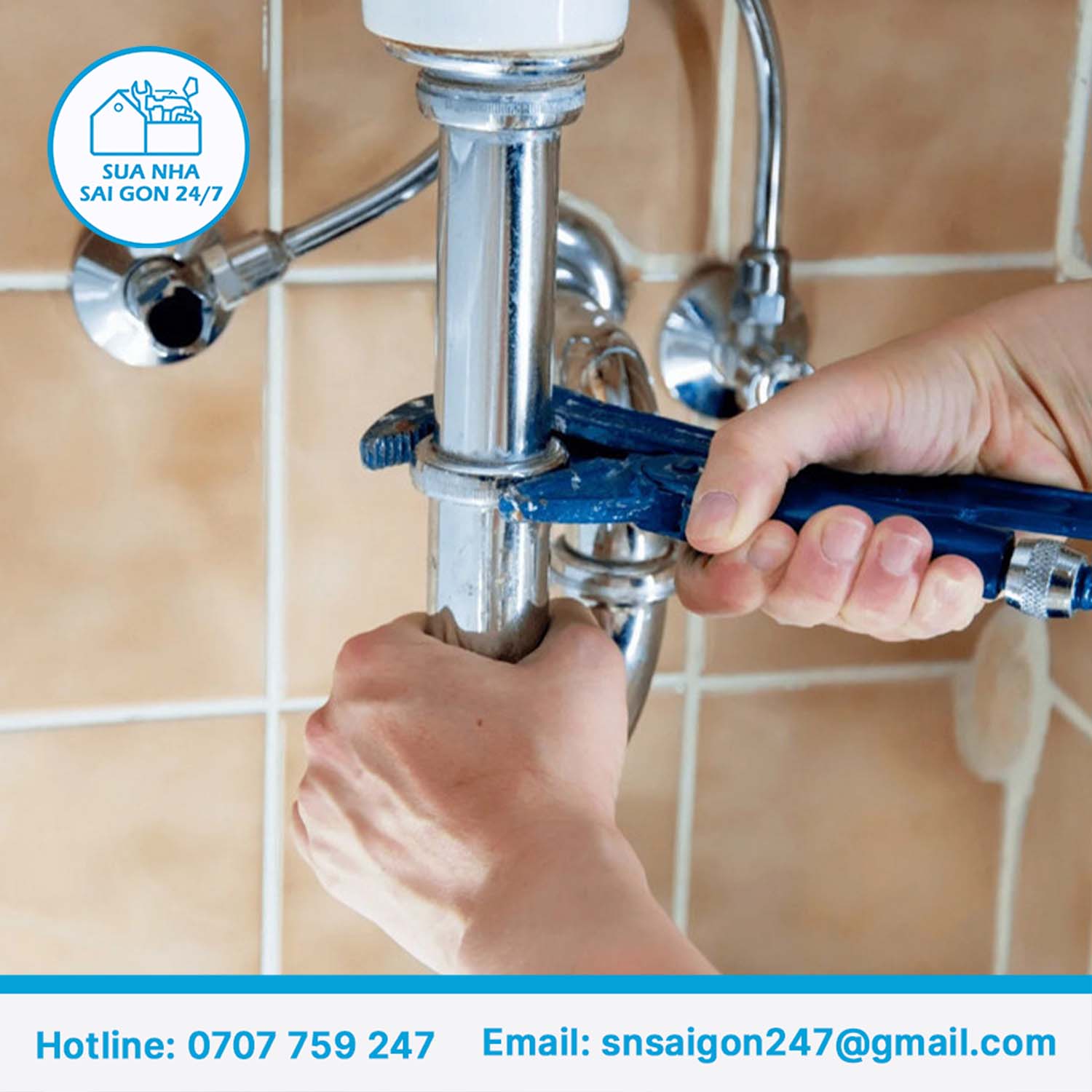
| Sink drain assembly / P-trap | Replace | 150,000 – 250,000 |
| Blocked drain pipe or main sewer line | Clear the blockage | On-site survey & quote |
These figures are reference pricing only, not a fixed quote — actual cost depends on the fixture’s condition, the severity of the blockage, and whether specialized equipment is needed. Contact us for an on-site inspection and a specific quote before any work begins.
Emergency Plumbing Situations That Need Immediate Response
Most plumbing issues can wait for a scheduled visit, but a few situations are worth calling about right away rather than waiting.
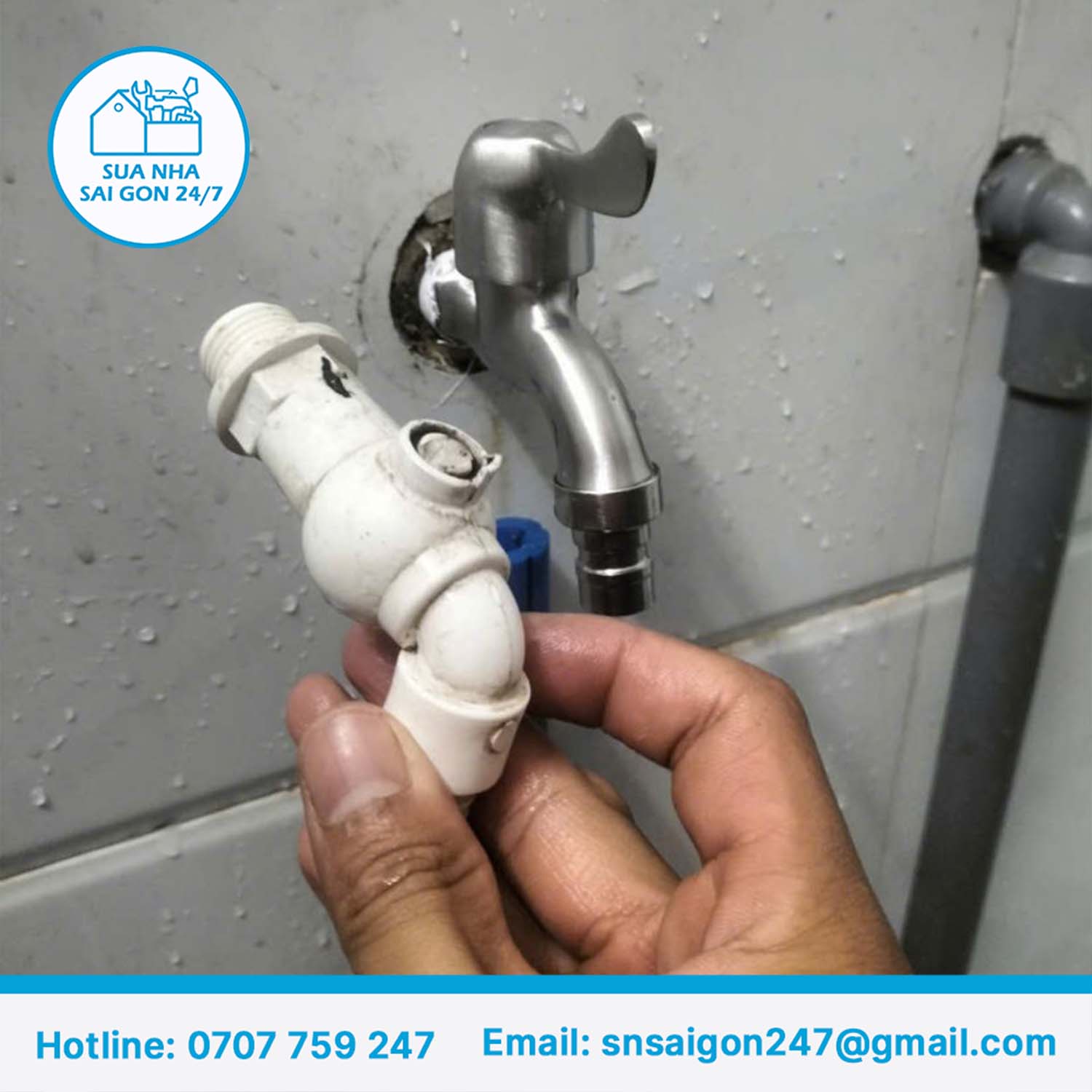
- A burst or actively leaking pipe: shut off the main water valve if you can locate it, then call immediately — this is the clearest case for an emergency response.
- Water visibly leaking into the unit or floor below: in an apartment tower, this can affect a neighbor’s ceiling, so speed matters for more than just your own unit.
- Complete loss of water pressure to the whole apartment or villa: especially if it happens suddenly rather than gradually, which can indicate a pump failure or a major line issue rather than routine wear.
- Sewage backing up into a floor drain or toilet: a sanitation concern that shouldn’t wait, particularly in a household with young children.
For anything short of these — a slow drain, a minor drip, reduced but still functional pressure — a scheduled visit is perfectly reasonable and avoids paying for after-hours urgency that the situation doesn’t require.
Coordinating a Plumber Visit With Building Management or a Villa Landlord
Access requirements differ meaningfully between Thao Dien’s towers and its villa compounds, and knowing which applies saves time when booking a visit.
In apartment towers, plumbing work that involves shared risers or requires shutting off water to multiple units typically needs coordination with building management in advance, and any equipment brought in through the service elevator may need to be booked ahead of time. In villas, the main consideration is usually more straightforward — confirming where the main shutoff valve is located and, if the issue is pressure-related, getting access to the rooftop water tank and pump, which the landlord or a caretaker may need to unlock if it’s normally kept secured.
Questions to Ask a Plumber Before Work Starts
A short set of questions upfront helps avoid surprises once work is underway, particularly for anything beyond a simple unclog.
- “Is this priced per fixture, or will there be a separate callout charge?”
- “If the cause turns out to be bigger than expected once you open things up, will I get a new quote before you continue?”
- “Is there a warranty on the repair itself, and for how long?”
- “Will the water need to be shut off to the whole unit, or just the fixture being worked on?”
- “Do you need me to arrange anything with building management or the landlord beforehand?”
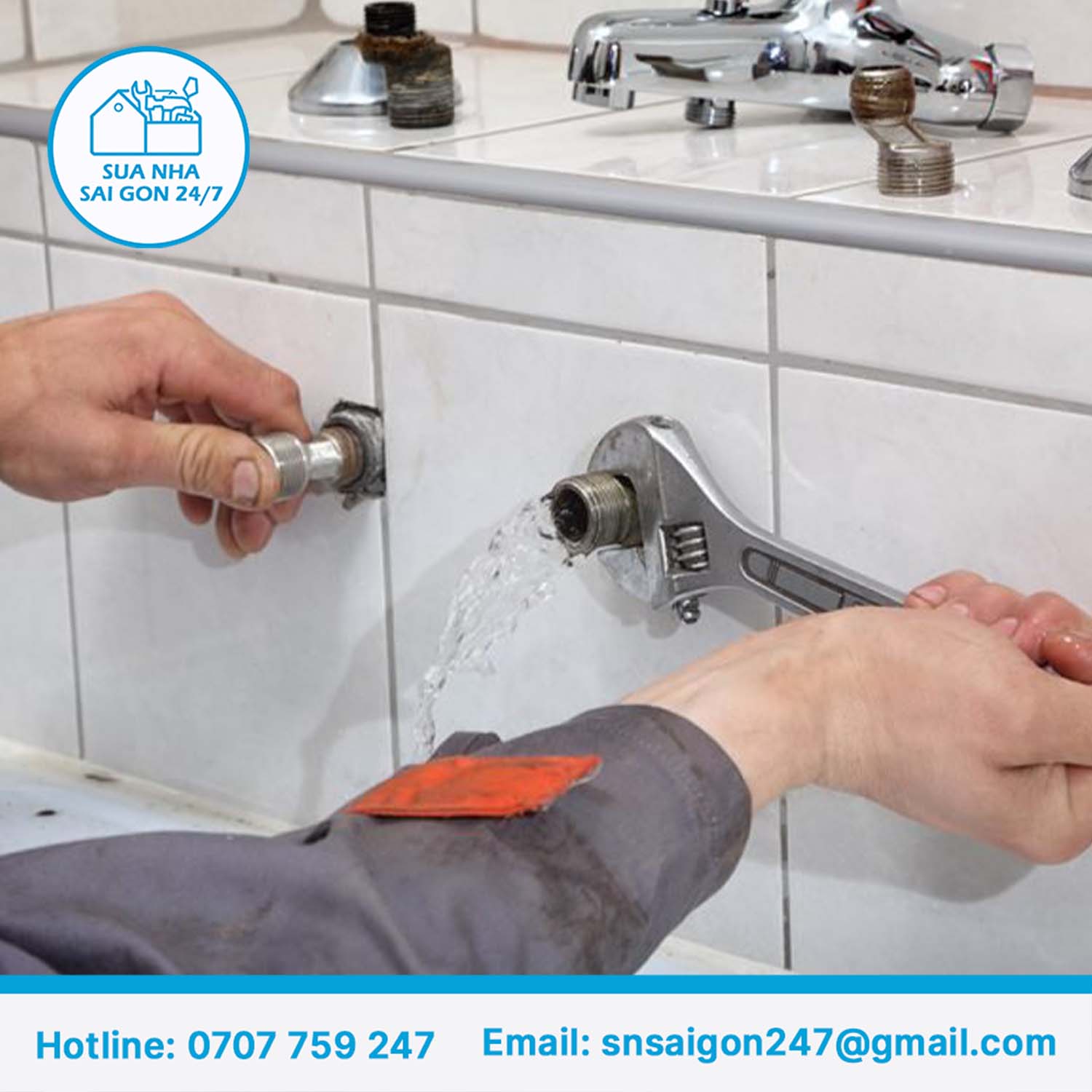
Preventing Common Plumbing Problems Between Visits
A few habits reduce how often plumbing issues come up in the first place, particularly for the villa-specific pressure and pipe-condition issues described above.
- Avoid pouring oil or grease down kitchen drains, a leading cause of the slow, gradual clogs that eventually need professional unclogging.
- Clean faucet aerators every few months to prevent mineral buildup from being mistaken for a bigger pressure problem.
- For villas on a rooftop tank system, have the tank inspected periodically for sediment buildup, which affects both pressure and water quality over time.
- Address small drips promptly rather than waiting — a washer or seal replacement is inexpensive compared to the water damage a persistent leak can eventually cause.
- Avoid flushing wet wipes or sanitary products, even ones labeled “flushable,” since they’re a common cause of toilet and floor drain blockages in both villas and apartments.
Villa vs. Apartment Plumbing: A Side-by-Side Comparison
Putting the two housing types next to each other makes it easier to know what to expect before a plumber even shows up.
| Factor | Villas | High-rise apartments |
|---|---|---|
| Water source | Often a rooftop tank fed by a pump | Building-managed risers at controlled pressure |
| Common pipe material | Sometimes older galvanized sections in aging villas | Usually newer PVC or PPR piping |
| Typical pressure issue cause | Pump failure, tank sediment, undersized piping | Localized valve or aerator issue, rarely building-wide |
| Access for repairs | Landlord/caretaker for main valve and rooftop tank | Building management for shared risers or elevator use |
| Most frequent call type | Pressure complaints, aging pipe leaks | Drain clogs, faucet and fixture repairs |
Neither type is inherently more failure-prone — they simply fail in different, fairly predictable ways, which is useful to know when deciding whether an issue is worth an urgent call or can wait for a scheduled visit.
What a Professional Leak Detection Visit Actually Involves
When a leak’s source isn’t obvious — water appearing on a wall or ceiling without a clear nearby fixture — a proper leak detection visit follows a specific process rather than guesswork.
- Visual inspection first: checking visible pipework, fixture connections, and any recent renovation work that might have disturbed a joint.
- Pressure testing: isolating sections of the plumbing system to see where pressure drops, which narrows down the likely location of a hidden leak.
- Moisture and sound-based detection: for leaks behind walls or under flooring, specialized equipment can pick up the sound of water escaping under pressure without needing to open up the wall first.
- Confirming before opening anything up: a competent plumber confirms the likely location before cutting into a wall or floor, since unnecessary demolition adds cost and repair work that a more targeted approach avoids.
This matters particularly for villas with older piping, where a hidden leak inside a wall can go unnoticed for a while and cause more damage than an equivalent leak in an apartment with more exposed plumbing. It’s also worth asking whether the leak detection equipment used is non-invasive, since some cheaper approaches skip straight to opening up drywall or tile in multiple spots to “search” for the source, which costs more in repair afterward than a proper diagnostic step would have.
Plumbing Considerations When Renovating an Older Villa
Thao Dien has a number of older villas that get renovated for new tenants or owners, and plumbing is one area where it’s worth planning ahead rather than only fixing what’s visibly broken.
If a villa still has galvanized pipe sections, a renovation is often the most practical time to reroute to PPR piping throughout, since opening up walls and floors for other work reduces the additional cost of also replacing the plumbing lines at the same time. It’s also a good opportunity to inspect the rooftop water tank and pump system, since a renovation that improves finishes but leaves an old, undersized pump in place will still leave the pressure complaints unresolved. For anyone renovating a Thao Dien villa, it’s worth explicitly asking the contractor whether plumbing assessment is included in the renovation scope, since it’s sometimes treated as a separate, easy-to-overlook line item.
Language and Communication When Booking a Plumber
For expat residents, describing a plumbing issue accurately over the phone can be harder than describing most other repair needs, since terms like “riser,” “P-trap,” or “aerator” don’t always translate cleanly in a quick call.
It helps to send a short video or a few photos of the issue before the visit if possible — a plumber can often tell from footage whether it’s likely an isolated fixture problem or something building-related, which affects how quickly they can respond and what tools they bring. If language is a concern, confirming upfront whether English or Korean support is available avoids a frustrating back-and-forth once the technician arrives and needs a clearer description of when the issue started and what’s been tried already. This is also a good moment to mention any access restrictions in advance — a gate code, a lock box, or a caretaker who needs to be present — since discovering these on arrival is a common cause of delayed visits in gated villa compounds.
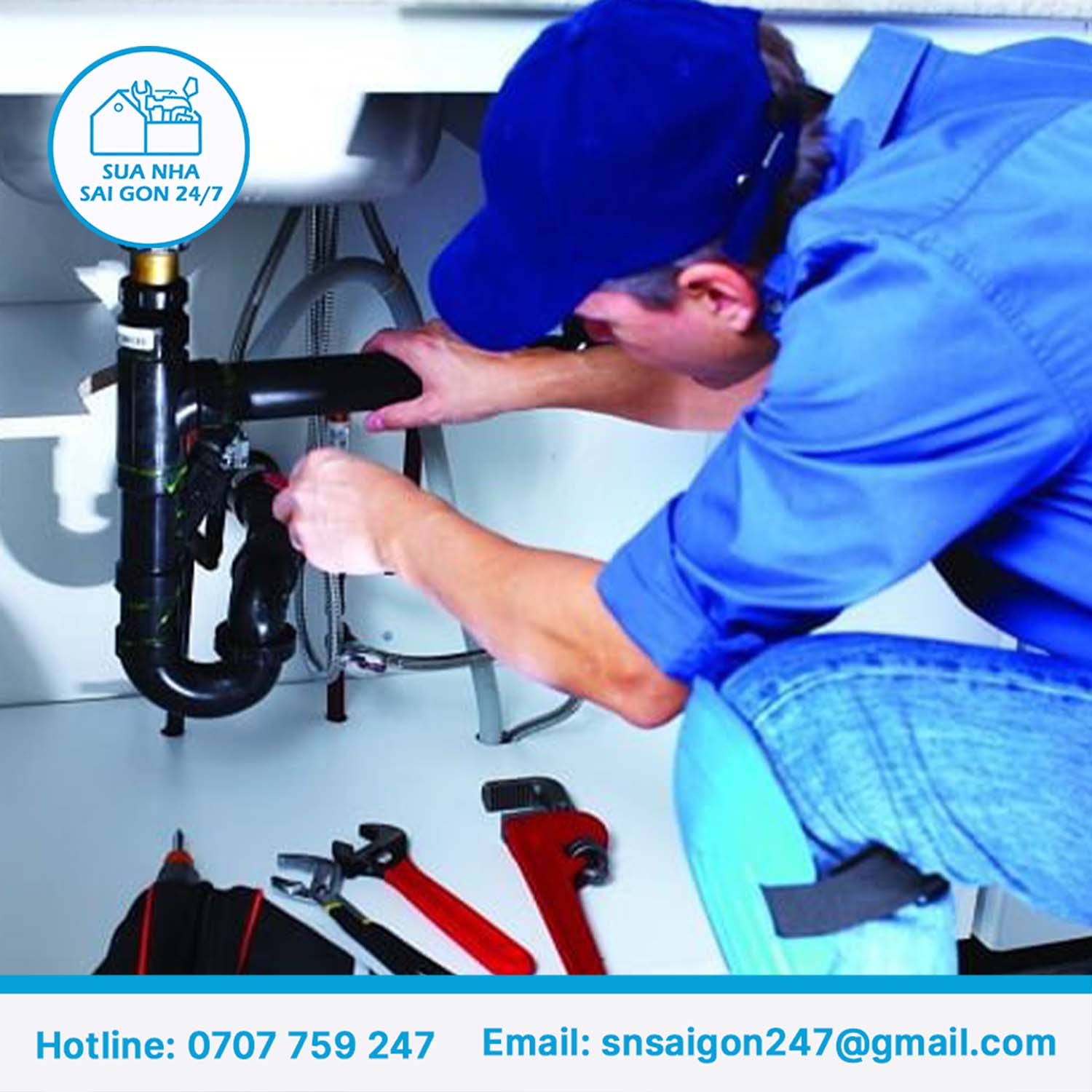
How Sai Gon Home Repair 247 Supports Plumbing Needs in Thao Dien
Plumbing problems in Thao Dien often come down to correctly identifying whether an issue is isolated to one fixture or tied to the building or villa’s broader water system — misdiagnosing this is a common reason repairs don’t fully resolve the complaint.
Sai Gon Home Repair 247 has more than 7 years of experience with plumbing and general home repair in Ho Chi Minh City, handling everything from a single leaking faucet to villa-wide pressure issues, with an on-site inspection and an itemized quote before work begins. Support is available for tenants working directly with a landlord as well as those coordinating through a property management company. See our plumbing services page for the full range of work we handle.
Contact us for an on-site survey and consultation for your plumbing issue in Thao Dien.
Frequently Asked Questions
What plumbing issues are most common in Thao Dien?
In villas, older galvanized pipes and rooftop water tank systems are common sources of low pressure and rust-colored water. In high-rise apartments, the most frequent calls are clogged drains, faucet leaks, and toilet issues tied to shared building risers.
Why is water pressure often inconsistent in Thao Dien villas?
Many villas rely on a rooftop tank and pump system rather than direct municipal pressure, so a weak pump, a clogged tank inlet, or an undersized pipe diameter can all cause pressure that varies by time of day or by floor.
How much does a common plumbing repair cost in Ho Chi Minh City?
Reference pricing for 2026: unclogging a bathroom sink is around 270,000–380,000 VND, a kitchen sink around 350,000–490,000 VND, and fixing a leaking faucet starts from around 150,000 VND. Actual cost depends on the fixture and how severe the issue is.
What plumbing situations need an emergency response?
A burst pipe, water actively leaking into a floor below, or a complete loss of water pressure to the whole unit all warrant calling a plumber immediately rather than waiting for a scheduled visit.
Do I need to coordinate with building management before a plumber visits?
In most Thao Dien towers, yes — especially if the work involves the service elevator or could affect shared risers. For villas, the main consideration is usually just confirming access to the main shutoff valve and any rooftop water tank.
Does Sai Gon Home Repair 247 provide plumbing services in Thao Dien?
Yes. Sai Gon Home Repair 247 handles plumbing repairs, unclogging, and fixture replacement for villas and apartments in Thao Dien, with an on-site inspection and a quote before any work begins.
Sai Gon Home Repair 247 — 7+ years of repair and renovation experience in Ho Chi Minh City.
- Vietnamese hotline/ Zalo: 0707 759 247
- English & Korean support/ Zalo: 076 806 7114
- English support/ Zalo: 033 939 0325
- Email: snsaigon247@gmail.com
- Address: 150 Tran Nao Street, An Khanh Ward, Ho Chi Minh City
Contact us for an on-site survey and consultation.



